Exploring the Uralic language map offers fascinating insights into linguistic diversity across Europe and Asia. For many in the United States, understanding these language families connects to cultural heritage and global studies. This map traces the historical migration and current distribution of languages like Finnish, Estonian, and Hungarian. It provides a visual guide for researchers, students, and anyone curious about the intricate tapestry of human communication. Discover how these languages, though distant, contribute to our broader understanding of world cultures. The Uralic language map is a powerful tool for exploring ancient roots and modern connections. It highlights distinct linguistic areas. This detailed resource reveals connections often overlooked in mainstream discussions. Its importance grows in an increasingly interconnected world. The map offers a unique perspective on linguistic evolution and cultural spread. It is an essential resource for those seeking deeper knowledge.
What are Uralic languages?
Uralic languages form a family spoken by about 25 million people. They are found predominantly in Northern Eurasia. This family includes languages such as Finnish, Estonian, and Hungarian. They share a common linguistic ancestor. This family is distinct from Indo European languages. They show unique grammatical structures. The Uralic language map traces their widespread presence. It highlights their rich cultural heritage. These languages represent a significant global linguistic group. They offer diverse phonetic systems. Understanding them is vital.
Where are Uralic languages spoken?
Uralic languages are spoken across a vast geographical area. This includes Northern Europe, particularly Finland and Estonia. They are also spoken in Hungary and parts of Russia. Specific regions like Siberia and Scandinavia host smaller communities. The uralic language map precisely illustrates these diverse locations. It shows their distribution from Europe to Asia. This geographical spread reflects ancient migrations. It highlights unique regional linguistic traditions. Their presence is widespread. This map is key to understanding them.
Are Finnish and Hungarian related?
Yes, Finnish and Hungarian are indeed related. They belong to the Uralic language family. Despite geographical distance, they share a common linguistic ancestor. Their relationship is comparable to English and German. This connection is visible on the uralic language map. While distinct, they exhibit structural and lexical similarities. Their shared origin strengthens linguistic theories. This highlights deep historical ties. Understanding this link clarifies language evolution. Their common roots are ancient. They present fascinating comparisons.
How many Uralic languages exist?
There are approximately 38 to 40 recognized Uralic languages. However, the exact number can vary slightly. This depends on how dialects are classified. Many of these languages are minority languages. Some face significant endangerment. The uralic language map typically depicts major and distinct languages. It highlights their individual territories. Efforts are ongoing to preserve endangered ones. This map guides conservation. It showcases linguistic diversity. The number reflects rich heritage.
What is the origin of Uralic languages?
The origin of Uralic languages is believed to be in the region of the Ural Mountains. This area spans Eastern Europe and Western Siberia. Linguistic evidence suggests a common ancestral language, Proto Uralic. This language diverged around 7,000 to 4,000 years ago. The uralic language map visualizes this dispersal. It shows how language speakers migrated over millennia. Archaeological and genetic studies support this theory. It provides crucial historical context. This origin story is captivating. It explains their widespread distribution.
Are any Uralic languages endangered?
Yes, many Uralic languages are indeed endangered. Some, like Livonian, Votic, and Komi Permyak, have very few speakers. The pressures of dominant national languages contribute to their decline. The uralic language map often highlights these vulnerable linguistic areas. Efforts are being made to revitalize these languages. These include educational programs and cultural initiatives. Preservation is critical for maintaining global linguistic diversity. It saves unique cultural heritages. The map draws attention to this urgency. It supports awareness campaigns.
The Uralic language map charts a fascinating linguistic journey. It visually represents where Uralic languages are currently spoken. This includes nations across Northern Europe and parts of Asia. Researchers and curious minds use it to understand historical migrations. It helps trace cultural connections from ancient times to modern days. The map explains how these distinct languages evolved over thousands of years. It reveals the spread of unique language families. This powerful tool informs our understanding of human history. It highlights diverse linguistic heritage. The map is essential for global linguistics study. It helps identify language relationships.
Exploring the Uralic language map helps us grasp deep linguistic roots. It showcases the geographic spread of languages like Finnish and Hungarian. These languages share common ancestry despite their vast distances today. The map illustrates their ancient origins in the Ural Mountains region. It visually guides us through their dispersal over millennia. Understanding this map enriches our cultural perspective. It connects diverse communities globally. This map makes complex linguistic data easy to follow. It provides crucial historical context. It highlights unique cultural zones.
For Americans interested in global heritage, the uralic language map offers unique insights. It sheds light on immigrant communities from Finland, Estonia, and Hungary. These communities have shaped the cultural fabric of the United States. The map helps visualize their ancestral linguistic landscapes. It connects modern American diversity to ancient linguistic families. This understanding fosters greater appreciation. It promotes cultural awareness among us. The map is a bridge to ancestral homelands. It deepens our historical understanding. It celebrates linguistic connections.
Key languages on the uralic language map include Finnish, Estonian, and Hungarian. Others like Sami, Mari, and Udmurt are also prominent. Each language represents a unique cultural tradition. The map shows their respective geographical strongholds. It demonstrates their linguistic relationships and divergences. Understanding their distribution helps language preservation efforts. It supports studies in comparative linguistics. The map is a vital educational resource. It promotes global linguistic diversity. It fosters cross cultural understanding.
The uralic language map serves as an important navigational tool. It guides linguists studying language evolution and divergence. It also informs anthropologists examining cultural diffusion. For students, it simplifies complex historical linguistic patterns. This map is crucial for identifying language revitalization projects. It helps track language vitality across regions. It is an invaluable resource for researchers worldwide. The map empowers deeper academic exploration. It supports understanding human migration. It promotes informed global perspectives.
The study of Uralic languages continues to trend in academic circles. Modern research uses advanced genetic and archaeological data. This data confirms patterns seen on the uralic language map. It enhances our understanding of ancient population movements. The map remains a foundational tool for these studies. It provides a visual framework for complex theories. This ongoing research strengthens our knowledge base. It reveals new historical connections. It updates our linguistic understanding. The map evolves with new discoveries.
What Others Are Asking About the Uralic Language Map?
What are Uralic languages?
Uralic languages form a family spoken by about 25 million people. They are found predominantly in Northern Eurasia. This family includes languages such as Finnish, Estonian, and Hungarian. They share a common linguistic ancestor. This family is distinct from Indo European languages. They show unique grammatical structures. The Uralic language map traces their widespread presence. It highlights their rich cultural heritage. These languages represent a significant global linguistic group. They offer diverse phonetic systems. Understanding them is vital.
Where are Uralic languages spoken?
Uralic languages are spoken across a vast geographical area. This includes Northern Europe, particularly Finland and Estonia. They are also spoken in Hungary and parts of Russia. Specific regions like Siberia and Scandinavia host smaller communities. The uralic language map precisely illustrates these diverse locations. It shows their distribution from Europe to Asia. This geographical spread reflects ancient migrations. It highlights unique regional linguistic traditions. Their presence is widespread. This map is key to understanding them.
Are Finnish and Hungarian related?
Yes, Finnish and Hungarian are indeed related. They belong to the Uralic language family. Despite geographical distance, they share a common linguistic ancestor. Their relationship is comparable to English and German. This connection is visible on the uralic language map. While distinct, they exhibit structural and lexical similarities. Their shared origin strengthens linguistic theories. This highlights deep historical ties. Understanding this link clarifies language evolution. Their common roots are ancient. They present fascinating comparisons.
How many Uralic languages exist?
There are approximately 38 to 40 recognized Uralic languages. However, the exact number can vary slightly. This depends on how dialects are classified. Many of these languages are minority languages. Some face significant endangerment. The uralic language map typically depicts major and distinct languages. It highlights their individual territories. Efforts are ongoing to preserve endangered ones. This map guides conservation. It showcases linguistic diversity. The number reflects rich heritage.
What is the origin of Uralic languages?
The origin of Uralic languages is believed to be in the region of the Ural Mountains. This area spans Eastern Europe and Western Siberia. Linguistic evidence suggests a common ancestral language, Proto Uralic. This language diverged around 7,000 to 4,000 years ago. The uralic language map visualizes this dispersal. It shows how language speakers migrated over millennia. Archaeological and genetic studies support this theory. It provides crucial historical context. This origin story is captivating. It explains their widespread distribution.
Are any Uralic languages endangered?
Yes, many Uralic languages are indeed endangered. Some, like Livonian, Votic, and Komi Permyak, have very few speakers. The pressures of dominant national languages contribute to their decline. The uralic language map often highlights these vulnerable linguistic areas. Efforts are being made to revitalize these languages. These include educational programs and cultural initiatives. Preservation is critical for maintaining global linguistic diversity. It saves unique cultural heritages. The map draws attention to this urgency. It supports awareness campaigns.
| Language | Main Country | Estimated Speakers (Millions) | Branch |
|---|---|---|---|
| Finnish | Finland | 5.5 | Finnic |
| Hungarian | Hungary | 13.0 | Ugric |
| Estonian | Estonia | 1.1 | Finnic |
| Sami (Northern) | Norway, Sweden, Finland | 0.02 | Sami |
| Mari (Meadow) | Russia (Mari El) | 0.4 | Permic |
| Udmurt | Russia (Udmurtia) | 0.3 | Permic |
| Komi | Russia (Komi Republic) | 0.2 | Permic |
Uralic language map displays linguistic diversity. It shows connections between European and Asian languages. Finnish, Estonian, Hungarian are key examples. The map aids historical and cultural research. It visualizes ancient migration patterns. Understanding language distribution is crucial. This map reveals unique linguistic territories. It offers insights into language evolution. The resource connects global communities. It is valuable for education and study. It highlights cultural heritage. The map makes complex data accessible. Its importance for global understanding is significant. It simplifies complex linguistic information. The map serves as a vital educational tool. It provides a geographical context. Discover deep linguistic relationships. Visualize the spread of distinct language families.
 Unveiling The Uralic Languages Map A Linguistic Journey Uralic Web M.JPG
 Uralic Languages Map
  Uralic Uralic Languages Map
 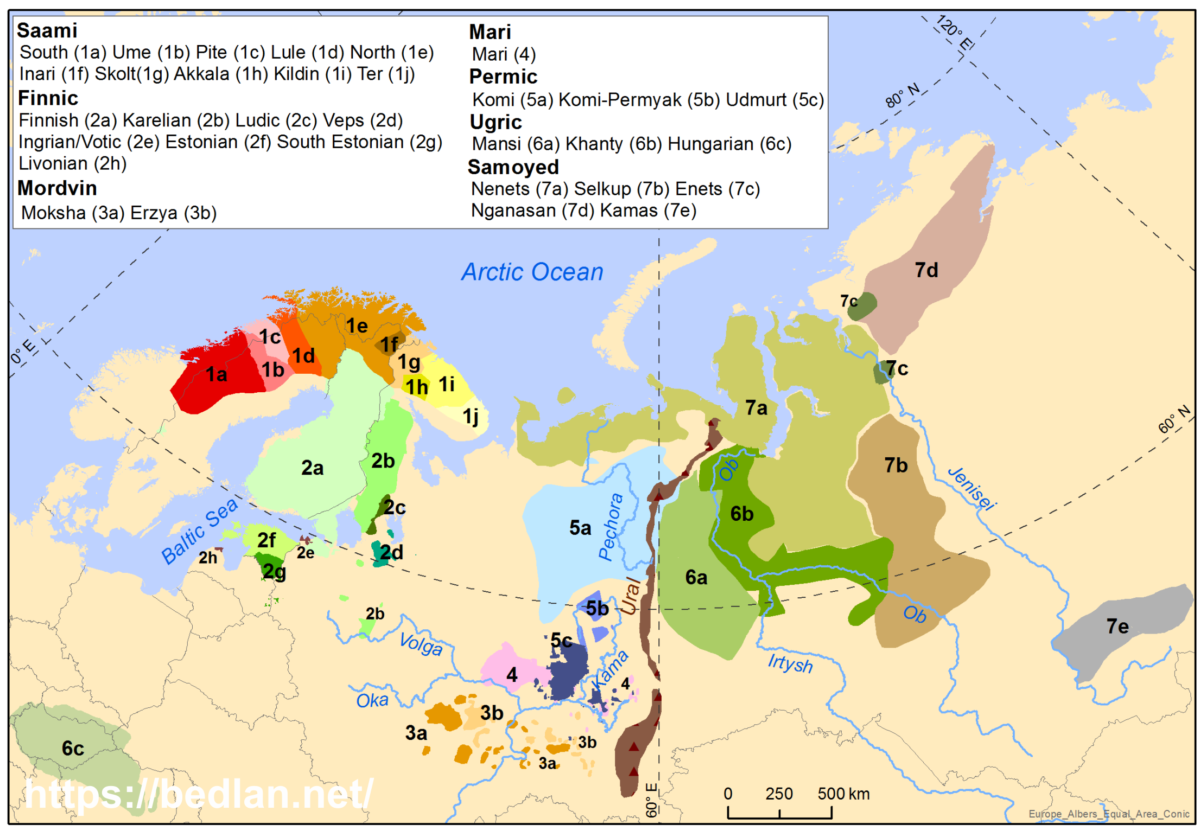 What Is The Uralic Language Family BEDLAN Uralic Web x
  Uralic Language Map Tumblr
  File Uralic Languages Svg Wikimedia Commons px Uralic
 .png/300px-Linguistic_map_of_the_Uralic_languages_(en).png) Uralic Languages Wikipedia px Linguistic Map Of The Uralic Languages (en)
Uralic Languages Wikipedia px Linguistic Map Of The Uralic Languages (en) 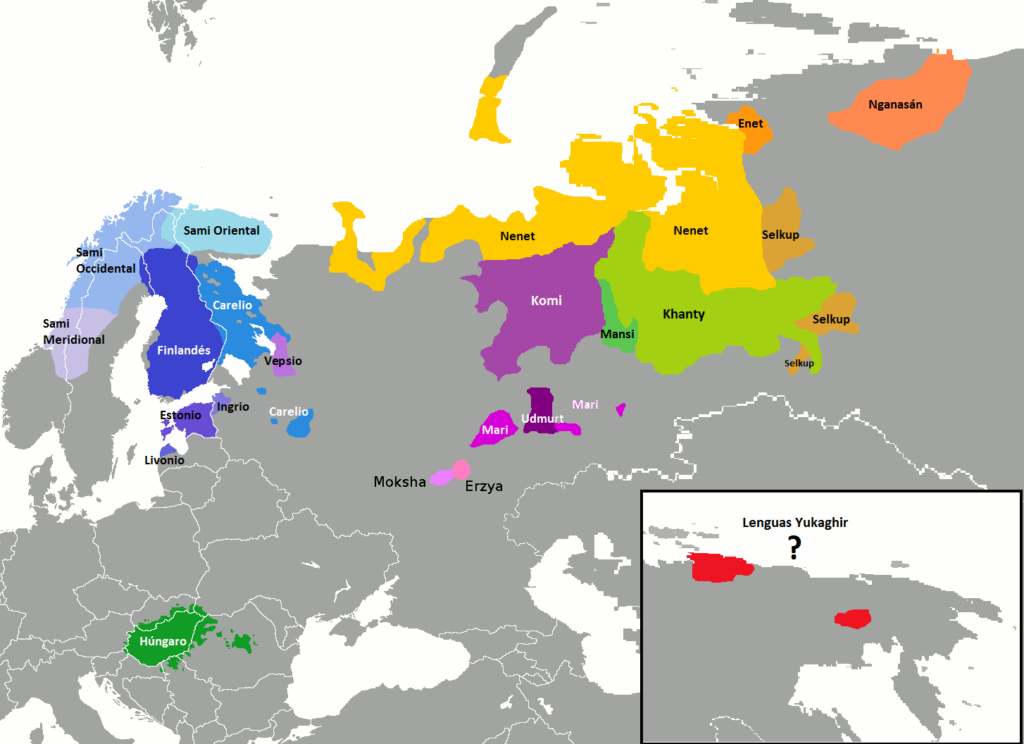 The Uralic Languages Lenguas Uralicas x
  The Uralic Languages Pers E Rbph Num T
  Uralic Language Map The Areas Of Uralic After Saarikivi Map Ris
  Uralic Languages Uralic