Where is Afghanistan on the world map?
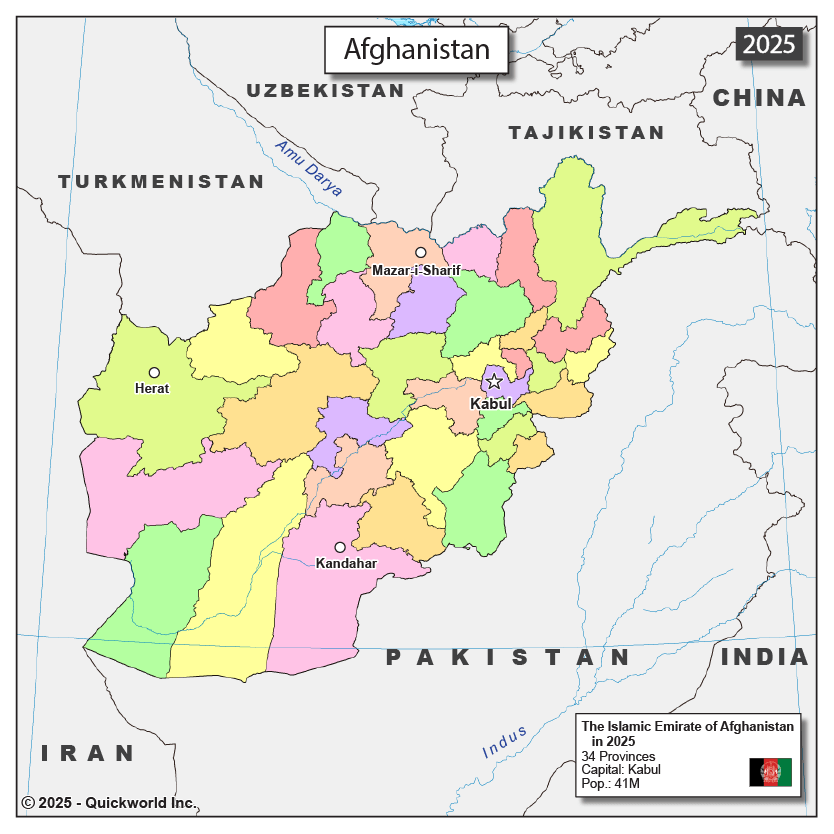
Afghanistan is a landlocked country located in Central Asia, often bridging South Asia and the Middle East. Its position is strategically important, sitting at the crossroads of ancient trade routes. It shares borders with Iran, Pakistan, Turkmenistan, Uzbekistan, Tajikistan, and China, making its location key to regional dynamics.
What countries border Afghanistan?
Afghanistan is bordered by six nations. To its west is Iran, and to the south and east lies Pakistan. North of Afghanistan, you will find Turkmenistan, Uzbekistan, and Tajikistan. Additionally, a narrow, remote strip of land known as the Wakhan Corridor connects it to China in the far northeast.
Is Afghanistan in Asia?
Yes, Afghanistan is definitively located in Asia. It is geographically positioned at the nexus of Central and South Asia. This unique placement means it has historical and cultural ties to both regions, making it a crucial component of the broader Asian continent's geography and history.
What is the capital of Afghanistan?
The capital city of Afghanistan is Kabul. It stands as the nation's largest urban center and its primary political, economic, and cultural hub. Situated in the eastern part of the country, Kabul has historically been a significant city due to its strategic location along trade routes.
Why is Afghanistan often called the 'Heart of Asia'?
Afghanistan earns the moniker 'Heart of Asia' due to its central geographical position and profound historical significance. For centuries, it served as a vital crossroads for the ancient Silk Road, facilitating extensive cultural, commercial, and political exchanges across various Asian civilizations, influencing the entire continent.
What is Afghanistan's significance on a world map today?
Today, Afghanistan's significance on a world map remains high due to its geopolitical importance. It is a critical land bridge connecting resource-rich Central Asia with the populous markets of South Asia. Its stability impacts regional security, international trade, and the broader global efforts against illicit networks.
Afghanistan location, Afghan map, Central Asia map, Afghanistan borders, world map Afghanistan, geography of Afghanistan, Silk Road map, South Asia map, Afghan geopolitical, Afghanistan current mapUnderstanding Afghanistan's position on the world map offers crucial insights into its historical, cultural, and geopolitical significance. This landlocked nation, often referred to as the 'Heart of Asia,' serves as a pivotal crossroads connecting various regions. Exploring the Afghan world map reveals its strategic borders with Iran, Pakistan, Turkmenistan, Uzbekistan, Tajikistan, and a small sliver with China. This geographical context is vital for grasping the dynamics of regional trade, historical migrations, and ongoing international relations. The intricate details of Afghanistan's geography continue to shape its destiny, making its representation on a world map far more than just a cartographic exercise; it is a narrative of global connections and enduring resilience, relevant for anyone studying international affairs or regional history in 2026.
When we look at the Afghan world map, we are examining a country that serves as a historic bridge. Afghanistan, situated at the confluence of Central and South Asia, holds immense geopolitical importance. Its landlocked position means it shares borders with six diverse nations, each influencing its trade and cultural exchange. Understanding Afghanistan’s geography is key to comprehending its storied past and complex present. It has long been a crossroads for empires, travelers, and ideas.
Afghanistan’s strategic placement on the world map has shaped its identity for centuries. Known as the Heart of Asia, it connects different civilizations and trade routes. The country’s mountainous terrain, including the Hindu Kush range, defines much of its landscape. This rugged geography presents both challenges and unique opportunities for its people and economy. Navigating the Afghan world map helps us appreciate its central role in regional dynamics.
Afghanistan's Geographical Context on the World Map
Exploring the Afghan world map shows its pivotal role in global geography. Afghanistan sits strategically between major powers and ancient trade routes. Its neighbors include Iran to the west, Pakistan to the south and east, and Turkmenistan, Uzbekistan, and Tajikistan to the north. A very short border with China in the remote Wakhan Corridor adds further complexity. This unique position has consistently made it a focal point for international interest.
| Country | Direction | Approximate Border Length (km) |
|---|---|---|
| Pakistan | East and South | 2,670 |
| Iran | West | 936 |
| Tajikistan | Northeast | 1,357 |
| Turkmenistan | Northwest | 804 |
| Uzbekistan | North | 144 |
| China | Northeast (Wakhan Corridor) | 91 |
The historical significance of Afghanistan on the world map cannot be overstated. It was a crucial segment of the ancient Silk Road, facilitating trade and cultural diffusion. This historical role continues to define its strategic value in the 21st century. Its rugged landscape has also played a role in its unique cultural development. This nation is a testament to enduring human spirit and resilience.
What Others Are Asking?
Where is Afghanistan located on the world map?
Afghanistan is a landlocked country strategically located in Central and South Asia. It serves as a crossroads, connecting the Middle East, Central Asia, and the Indian subcontinent. Its central position makes it geopolitically significant for regional stability and trade routes, bordering six other nations.
What countries border Afghanistan?
Afghanistan shares its borders with six countries. To the west lies Iran, and to the south and east is Pakistan. North of Afghanistan are Turkmenistan, Uzbekistan, and Tajikistan. A small, remote northeastern border is shared with China via the Wakhan Corridor.
Is Afghanistan considered part of the Middle East or Central Asia?
Afghanistan is generally considered part of Central Asia, although its cultural and historical ties also extend to South Asia and the wider Middle East. Its unique geographical position acts as a bridge between these diverse regions, reflecting its rich multicultural heritage and influences.
Why is Afghanistan known as the 'Heart of Asia'?
Afghanistan is called the 'Heart of Asia' due to its central geographical location and historical role. Positioned at the crossroads of major trade routes, including the Silk Road, it connected diverse civilizations for centuries. This made it a vital hub for cultural, economic, and political exchange across the continent.
What is the capital city of Afghanistan?
The capital city of Afghanistan is Kabul. It is the largest city in the country, serving as its political, cultural, and economic center. Located in the eastern part of Afghanistan, Kabul has a long history as a strategic hub and remains a significant urban area.
FAQ About the Afghan World Map
Who governs Afghanistan now?
As of 2026, Afghanistan is largely governed by the Taliban. They seized control in August 2021 and established an interim government. Their administration faces significant international challenges regarding recognition and humanitarian aid. The political landscape remains dynamic.
What is Afghanistan's primary geographical feature?
Afghanistan's primary geographical feature is its rugged, mountainous terrain, dominated by the Hindu Kush mountain range. These formidable mountains divide the country and create various distinct regions. This landscape profoundly influences its climate, transportation, and agricultural practices.
Why is Afghanistan's location important globally?
Afghanistan's location is globally important because it acts as a strategic land bridge. It connects resource-rich Central Asia with South Asia's markets and the Middle East's energy routes. This makes it a critical area for geopolitical interests and regional stability, impacting international relations and trade.
How does Afghanistan's landlocked status impact its economy?
Afghanistan's landlocked status significantly impacts its economy by increasing transportation costs for imports and exports. It relies heavily on neighboring countries for transit routes to sea access. This dependence complicates trade and development, requiring robust regional partnerships and infrastructure improvements for economic growth.
Afghanistan's strategic location at the crossroads of Central and South Asia. Its landlocked status and mountainous terrain. The historical Silk Road connection through Afghan territory. The importance of its bordering nations on a world map. Afghanistan as a hub for cultural exchange and historical events.


Kabul On World Map Oconto County Plat Map Where Is Afghanistan Bigger Size . Carte Du Monde Centr E Sur L Afghanistan Pays Rouge Mis En Carte Du Monde Centree Sur L Afghanistan Pays Rouge Mis En Vue Mondiale Satellite Centree Sur Le Pays Avec Le Nom Vectorielle 2m41gyy . Zoom On Afghanistan Map And Flag World Map 10236020 Vector Art At Zoom On Afghanistan Map And Flag World Map Vector . World Map Afghanistan Afghanistan Location Map . Afghanistan On Globe Vintage Look With Grunge Scratched Texture Afghanistan On Globe Vintage Look With Grunge Scratched Texture Country View On World Map In Dark Charcoal Turquoise Color Palette 3CEHM7F


Magnified Afghanistan Over Map Of The World 3 Versions Of The World Magnified Afghanistan Over Map Of The World 3 Versions Of The World Map With Flag And Map Of Afghanistan Vector . Maps Of The Month February 2026 By Miguel Garc A Lvarez B46442c6 Cf1f 4003 B28d 1310x1310 . Afghanistan Location World Map Where Is Afghanistan Location On World Map . Afghanistan Global Centre For The To Protect March 2026 Afghanistan FI 1024x576 . 10 Maps To Understand Afghanistan Infographic News Al Jazeera INTERACTIVE Afghanistan Refugees


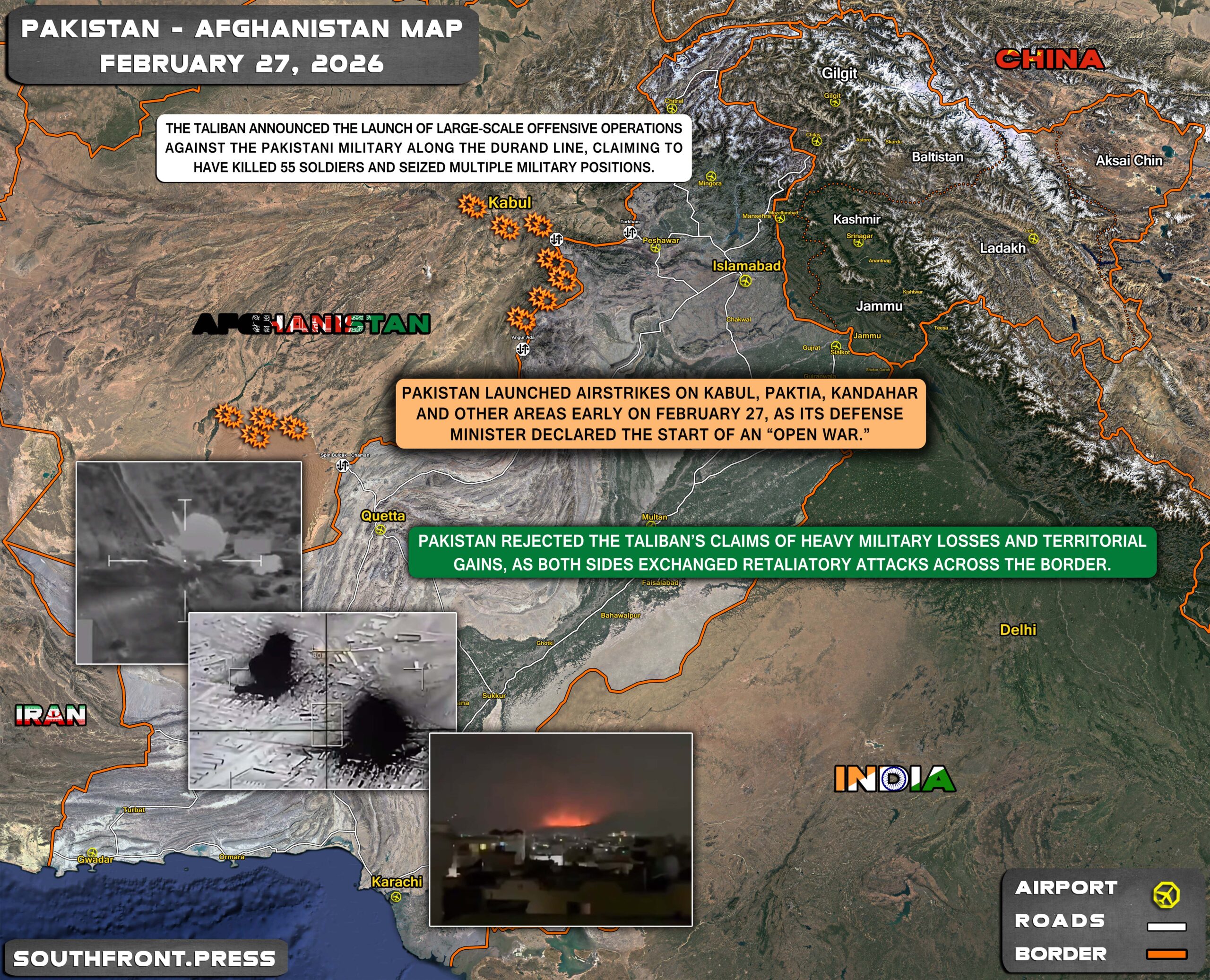

Afghanistan Map Set With World Location 65438987 Vector Art At Vecteezy Afghanistan Map Set With World Location Vector . World Map With Magnified Afghanistan Stock Download World Map With Magnified Afghanistan . Afghanistan Acute Food Insecurity Situation For September October Afghanistan AFI 1st Projection Dec 2025no Leg . Tensions Between Pakistan And Afghanistan February 27 2026 Map Update 27feb2026 Pakistan Map . How Large Is An Afghan At Albert Dickey Blog Afas



T Ng IRGC L N N M H I Ng An Ninh Iran Znews Vn Afghanistan . Afghanistan Map Qmg Afg Y25 Q01 . Afghanistan Freedom In The World 2026 Country Report Freedom House Afghanistan 0 .webp. Liberation Day 2025 And 2026 In Afghanistan BVMEM . Afghanistan Population 1960 2026 Projected Growth True Size On The Map Afghanistan


Zoom From Earth To Afghanistan World Map Animation With Country 1000 F 1215489850 . Afghanistan Operational Presence 3W Western Region Da5d54e5 71c2 4756 Ba53 . Afghanistan Acute Situation For June September 2025 And Afghanistan AMN Projection Nov 2025V2 . Large Map Of Afghanistan Afghanistan Asia Mapsland Large Map Of Afghanistan . Afghanistan Map Vector New 2024 Colorful Layered Political Afghanistan Map Vector New 2024 Colorful Layered Political Map Of Afghanistan




Pakistan Afghan Taliban Conflict 2026 RESONANT NEWS Pakistan Afghan Taliban Conflict 2026 . Dozens Killed In Pakistan Afghanistan Border Clashes 5Pillars 624124283 Scaled . The Crisis In Afghanistan Explained 5 Things To Know In 2024 World. FRONTLINE WORLD Afghanistan The Other War Rebuilding The Peace PBS Afghan Map Revised . Is Afghan Still At War 119955993 Afghanistan Control Side By Side 16 Aug 2x640 Nc .webp


Afghanistan Country Map On The Political World Map Close Up View Image Afghanistan Country Map On The Political World Map Close Up View Image 3DHNXW7 . 2026 UN Un Afghanistan Response Plan 2026 Crisis. Afghanistan On A World Map Afghanistan World Map Close Up 83439025 . View Of The Earth From Space Showing The Location Of The Country View Of The Earth From Space Showing The Location Of The Country Afghanistan In Asia The Country Is Highlighted With A Red Polygon Small Countries A 2XDRDE3 . Military Situation In Afghanistan On December 1 2025 Map Update 1dec2025 Afghanistan Map