Ever wondered who held the reins of the brutal Hunger Games? Seneca Crane, the enigmatic Head Gamemaker, played a pivotal, yet ultimately doomed, role in the 74th annual games. His decisions directly impacted Katniss Everdeen's journey and inadvertently sparked the rebellion. Uncover the story behind the man with the distinctive beard, his rise to power, and his shocking demise. This deep dive explores Seneca Crane's character, his influence on the arena, and the chilling consequences of his actions within the dystopian world of Panem. Fans in the United States often search for his fate, making this a trending topic. Discover the full narrative surrounding this crucial Hunger Games figure.
How did Seneca Crane meet his end in The Hunger Games?
Seneca Crane was executed by President Snow for his controversial handling of the 74th Hunger Games. Snow imprisoned him and forced him to consume nightlock berries, the very poison Katniss and Peeta threatened to use. This brutal punishment was a clear message from Snow, demonstrating that even high-ranking Capitol officials were not immune to his ruthless authority and faced severe consequences for any perceived failures, regardless of their intentions.
Why did President Snow eliminate Seneca Crane?
President Snow eliminated Seneca Crane because he believed Crane allowed the 74th Hunger Games to end in a way that undermined the Capitol's control. Katniss and Peeta's defiance with the nightlock berries created a moment of hope and rebellion that Snow couldn't tolerate. Crane was held accountable for this outcome, serving as an example to others in the Capitol that failure to maintain absolute power would result in death.
Who portrayed Seneca Crane in the movie adaptation of The Hunger Games?
The role of Seneca Crane in "The Hunger Games" movie was played by actor Wes Bentley. Bentley's portrayal brought the Head Gamemaker to life with a quiet intensity and a distinctive, elaborately sculpted beard. His performance captured the character's conflicted nature and his ultimate tragic fate, making Seneca Crane a memorable figure despite his limited screen time.
Was Seneca Crane aware of the impending rebellion in Panem?
Seneca Crane, as a Capitol official, likely adhered to the prevailing belief that the districts were under firm control. He seemed focused on the spectacle of the Games rather than any larger political unrest. However, his decisions, particularly the two-victor rule and its aftermath, unintentionally ignited the very sparks of rebellion that President Snow feared. It's unlikely he fully comprehended the long-term consequences of his actions or the simmering discontent in Panem.
What was the significance of Seneca Crane's beard in The Hunger Games?
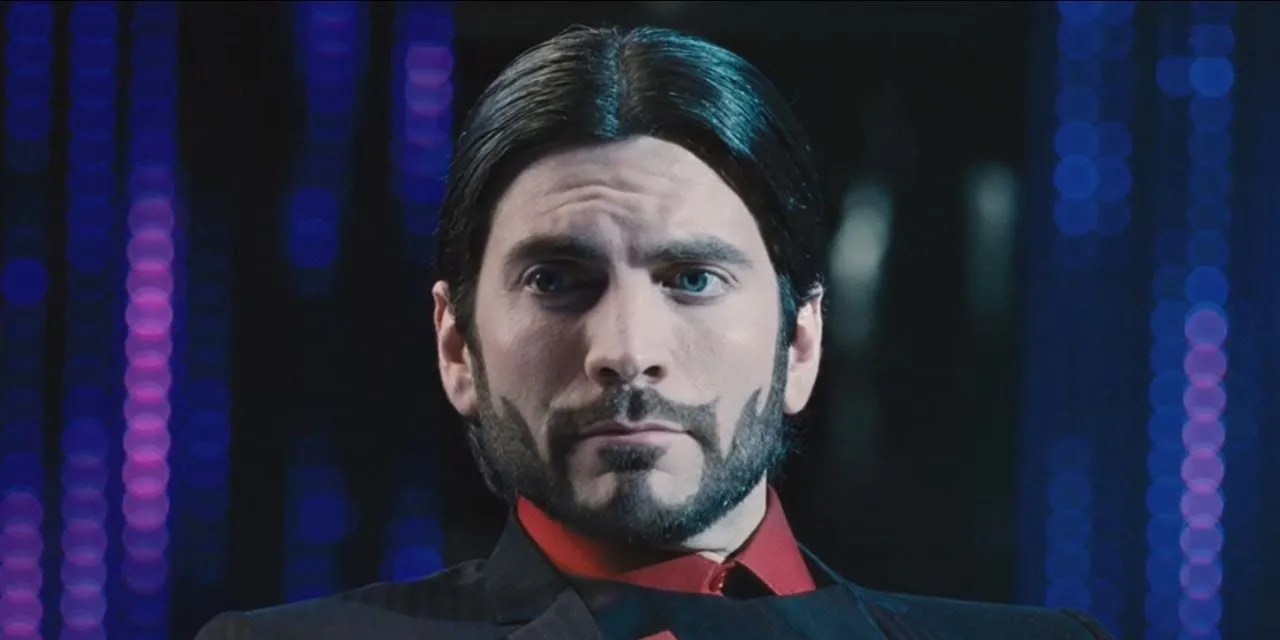
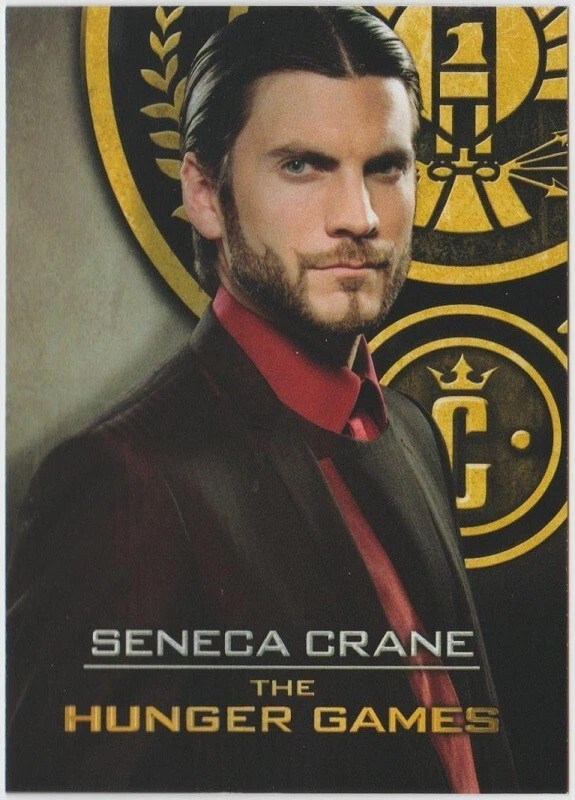
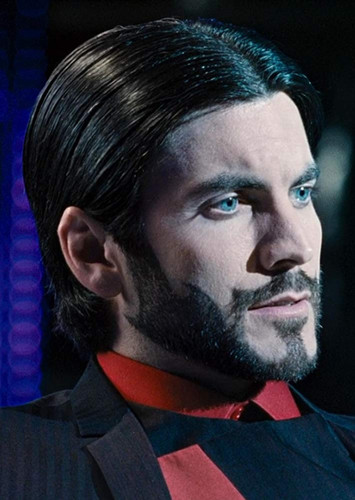
Seneca Crane's intricately styled beard was a powerful visual symbol of the Capitol's excessive and superficial culture. It represented the elite's detachment from the harsh realities of the districts and their preoccupation with elaborate appearances. The beard highlighted the bizarre fashion trends and the opulent, almost decadent, lifestyle of those in power, serving as an iconic marker of his Capitol status.
When thinking about who was Seneca Crane in Hunger Games, many recall his impactful presence. He was the enigmatic Head Gamemaker during the pivotal 74th Hunger Games. This period dramatically shaped the future of Panem and its districts. His actions directly influenced the survival of tributes like Katniss Everdeen. Ultimately, Seneca Crane's fate became a grim example of the Capitol's tyranny. Let's delve into his role and what made him such a memorable character.
Who Was Seneca Crane in The Hunger Games?
Seneca Crane held the critical position of Head Gamemaker in the 74th Hunger Games. He was responsible for overseeing every aspect of the deadly competition. This included designing the arena and manipulating the environment. Crane also enforced the rules, or sometimes changed them, to ensure maximum entertainment. His decisions were crucial to the game's unfolding drama for the Capitol audience.
Seneca Crane's Role as Head Gamemaker in The Hunger Games
As Head Gamemaker, Seneca Crane had immense power over the lives of the tributes. He controlled the arena's hazards, from fireballs to mutated creatures. Crane’s primary goal was always to keep the Capitol citizens entertained. His role also involved introducing controversial rule changes. The most significant was the allowance of two victors from the same district. This decision profoundly affected Katniss and Peeta's journey.
The Appearance and Demeanor of Seneca Crane in The Hunger Games
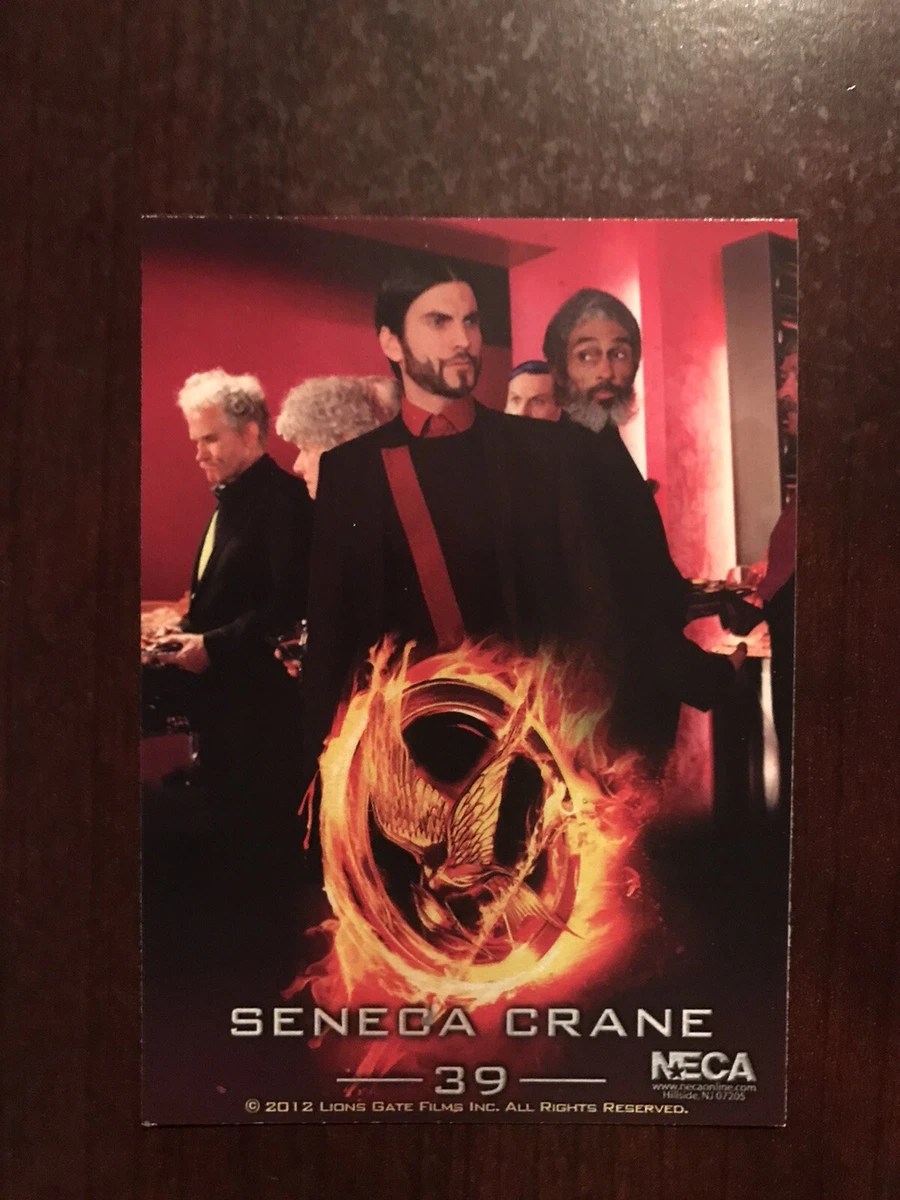
Seneca Crane was portrayed by actor Wes Bentley in The Hunger Games. He exuded an air of sophisticated authority and a calm demeanor. His most distinguishing feature was his elaborately sculpted beard. This beard became an iconic visual for the character. It perfectly symbolized the Capitol's opulent and often excessive style. His presence was always composed, even when making life-or-death decisions. For casting specifics, imagine these traits:
| Height | Approximately 5 feet 11 inches |
| Build | Lean to medium build |
| Hair | Dark brown, often styled neatly |
| Eyes | Striking blue eyes |
| Age Range | 30s to early 40s |
| Ethnicity | Caucasian |
The Fateful Decisions of Seneca Crane in The Hunger Games
Crane's decisions were designed to heighten the drama within the arena. His choice to permit two victors from District 12 was a game-changer. This rule created an unexpected bond between Katniss and Peeta. Later, he rescinded the rule, forcing the two to confront each other. Ultimately, Katniss's defiant act with the nightlock berries challenged his authority. These choices highlight who was Seneca Crane in Hunger Games and his complex role.
What Happened to Seneca Crane in The Hunger Games? His Tragic End
The fate of Seneca Crane serves as a chilling reminder of President Snow's ruthlessness. After the controversial ending of the 74th Hunger Games, Snow held Crane accountable. Snow felt Crane's leniency and the two-victor stunt undermined the Capitol's control. Seneca Crane was imprisoned and forced to consume nightlock berries. This was the very poison Katniss and Peeta had threatened to use. His death confirmed that no one, not even a high-ranking Gamemaker, was safe from Snow's wrath. This brutal punishment shocked audiences and solidified Snow's cruel nature.
What Others Are Asking? About Who Was Seneca Crane in Hunger Games
How did Seneca Crane die in The Hunger Games?
Seneca Crane died by being forced to eat nightlock berries. President Snow had him imprisoned in a cell containing only these poisonous berries. This was Snow's punishment for allowing both Katniss and Peeta to survive the 74th Hunger Games. His death was a stark demonstration of the Capitol's absolute power and unforgiving nature toward anyone who challenged its authority, even inadvertently.
Why was Seneca Crane killed in The Hunger Games?
Seneca Crane was killed because President Snow deemed him responsible for the chaotic end of the 74th Hunger Games. By allowing Katniss Everdeen and Peeta Mellark to threaten a double suicide with nightlock berries, Crane inadvertently showed defiance to the Capitol. Snow saw this as a sign of weakness and a challenge to his regime, demanding Crane pay the ultimate price for his misjudgment and for letting the districts see a glimmer of hope or rebellion.
Who played Seneca Crane in The Hunger Games movie?
The character of Seneca Crane was portrayed by American actor Wes Bentley in The Hunger Games film. Bentley brought an air of cool, calculated control to the role. His distinctive, intricately sculpted beard became an iconic visual element for the character. Bentley's performance captured the complex nature of a man caught between the Capitol's demands and the unexpected events within the arena, making Crane a memorable figure.
Was Seneca Crane a good guy or a bad guy?
Seneca Crane was neither purely good nor purely bad; he was a product of the Capitol. He was an antagonist to Katniss, orchestrating the deadly games, but he wasn't inherently malicious. His decisions, like the two-victor rule, were driven by a desire for entertainment and ratings, not necessarily cruelty. Ultimately, he was a functionary in a corrupt system, whose own life became expendable when he failed to uphold the Capitol's absolute control.
What was Seneca Crane's job in Panem?
Seneca Crane's job was the Head Gamemaker for the 74th annual Hunger Games. In this crucial role, he was responsible for designing, executing, and manipulating the arena and the rules of the deadly competition. His tasks included creating environmental hazards, introducing muttations, and making real-time adjustments to ensure the Games remained captivating and served the Capitol's propaganda. He was essentially the director of the deadliest reality show in Panem.
FAQ: Unpacking Who Was Seneca Crane in The Hunger Games
Who was Seneca Crane in The Hunger Games?
Seneca Crane served as the Head Gamemaker for the 74th Hunger Games. He designed and controlled the arena, making critical decisions that shaped the tributes' fates. His choices regarding rules and events directly impacted Katniss and Peeta's journey. Crane was ultimately executed by President Snow for his perceived failures.
What was Seneca Crane's role?
Crane's role was to craft the Hunger Games into a compelling spectacle. He managed all aspects, from arena layout to implementing hazards. His job was to entertain the Capitol audience and reinforce their control over the districts, ensuring the Games were both brutal and engaging. His decisions inadvertently led to the rebellion's spark.
Why was Seneca Crane's beard so distinctive?
Seneca Crane's elaborate, sculpted beard was a visual symbol of the Capitol's extravagance. It represented the citizens' detachment from the districts' struggles and their focus on superficiality. The beard highlighted the bizarre and often excessive fashion trends prevalent among the Capitol's elite. It became an instantly recognizable feature of his character.
How did Seneca Crane influence the 74th Games?
Crane influenced the Games significantly by introducing the two-victor rule. This allowed Katniss and Peeta to develop a bond, captivating the audience. When he rescinded it, their defiance with the nightlock berries further challenged the Capitol. His decisions inadvertently fostered the spark of rebellion among the districts, highlighting his complex impact.
Seneca Crane was the Head Gamemaker for the 74th Hunger Games. He oversaw arena design and rule changes, like the two-victor rule. His leniency towards Katniss and Peeta led to his execution by President Snow. Crane's fate underscored the unforgiving nature of the Capitol's regime. He is famously recognized by his intricate beard.
35


Seneca Crane The Hunger Games Wiki . Seneca Crane The Hunger Games Wiki Fandom Latest. The Hunger Games Seneca Crane Seneca Crane . Seneca Crane The Hunger Games Wiki Fandom 180. The Hunger Games What Happened To Seneca Crane Seneca Crane In The Hunger Games


Hunger Games Seneca Crane Wes Bentley IMDb S L1200 . Seneca Crane Hunger Games . Who Is Beetee In The Hunger Games Wes Bentley Seneca Crane . Who Is Beetee In The Hunger Games Wes Bentley Seneca Crane . Hunger Games Seneca Crane Wes Bentley IMDb Wes As Seneca Crane The Hunger Games


:max_bytes(150000):strip_icc()/seneca-crane_510x765-6e4e9b97c60246618f7b790df4451cca.jpg)

20 The Hunger Games Cast Photos Then Vs Now Sub Buzz 931 1679504454 2 . The Hunger Games A Look At The Cast And Key Players In Panem Seneca Crane THG . Seneca Crane The Hunger Games Characters Pictures POPSUGAR Seneca Crane . Hunger Games Beard Seneca Crane 510x765 . The Hunger Games Seneca Crane


10 Worst Side Characters In The Hunger Games Seneca Crane In The Hunger Games . Seneca Crane Hunger Games Hunger Games Books The Hunger Games Book . Seneca Crane Hunger Games 630 Wesbentley Hungergames Jpg 172113 T800 . The Hunger Games Seneca Crane . Seneca Crane Hunger Games 112f 3d6c B059 FULL



The Hunger Games Character List Book Analysis Seneca Crane Hunger Games Portrait Art 1024x683 . Seneca Crane Hunger Games 3c3f0 1920 . The Hunger Games The 10 Best Dressed Characters Seneca Crane . Seneca Crane S Beard Hunger Games Beard Hunger Games Hunger Games Hunger Games Series The Hunger Games . The Hunger Games Seneca Crane S L1200.webp


The Hunger Games Seneca Crane S L1200 . Seneca Crane Hunger Games Tumblr 1280 . Seneca Crane Hunger Games S L1200 . Hunger Games Beard Seneca Crane From The Hunger Games Its Really All About The Beard And The Hair Let The Games Begin Photo By Christian Goodenst Louis Post Usa 2F04GEN . The Hunger Games What Happened To Seneca Crane Katniss Writes Seneca Crane S Name On A Dummy In The Hunger Games



Seneca Crane Hunger Games Secr 400x400 . Hunger Games Seneca S L1200.webp. Seneca Crane Wiki The Hunger Games Fandom Latest. Seneca Crane Hunger Games Hanging . Hunger Games Seneca Seneca Crane 374802 Normal