Discovering the physical map of East Africa reveals a stunning landscape. This region, vital to human history, showcases incredible geographical diversity. From towering mountains to vast lakes and the iconic Great Rift Valley, understanding this physical map is crucial for comprehending its ecology, climate, and cultural development. For those in the United States, exploring the physical map of East Africa provides an enriching perspective on global geography and the continent's profound natural wonders. This article navigates through its key features, offering insights into why this corner of the world captivates explorers and scientists alike. Understanding the physical map of East Africa helps appreciate its rich biodiversity and complex environmental dynamics. This detailed guide highlights the region's geographical significance, making it a valuable resource for students, travelers, and anyone curious about the Earth's natural formations. Engage with the intricate details of East Africa's terrain.
What are the primary geographical features shown on a physical map of East Africa?
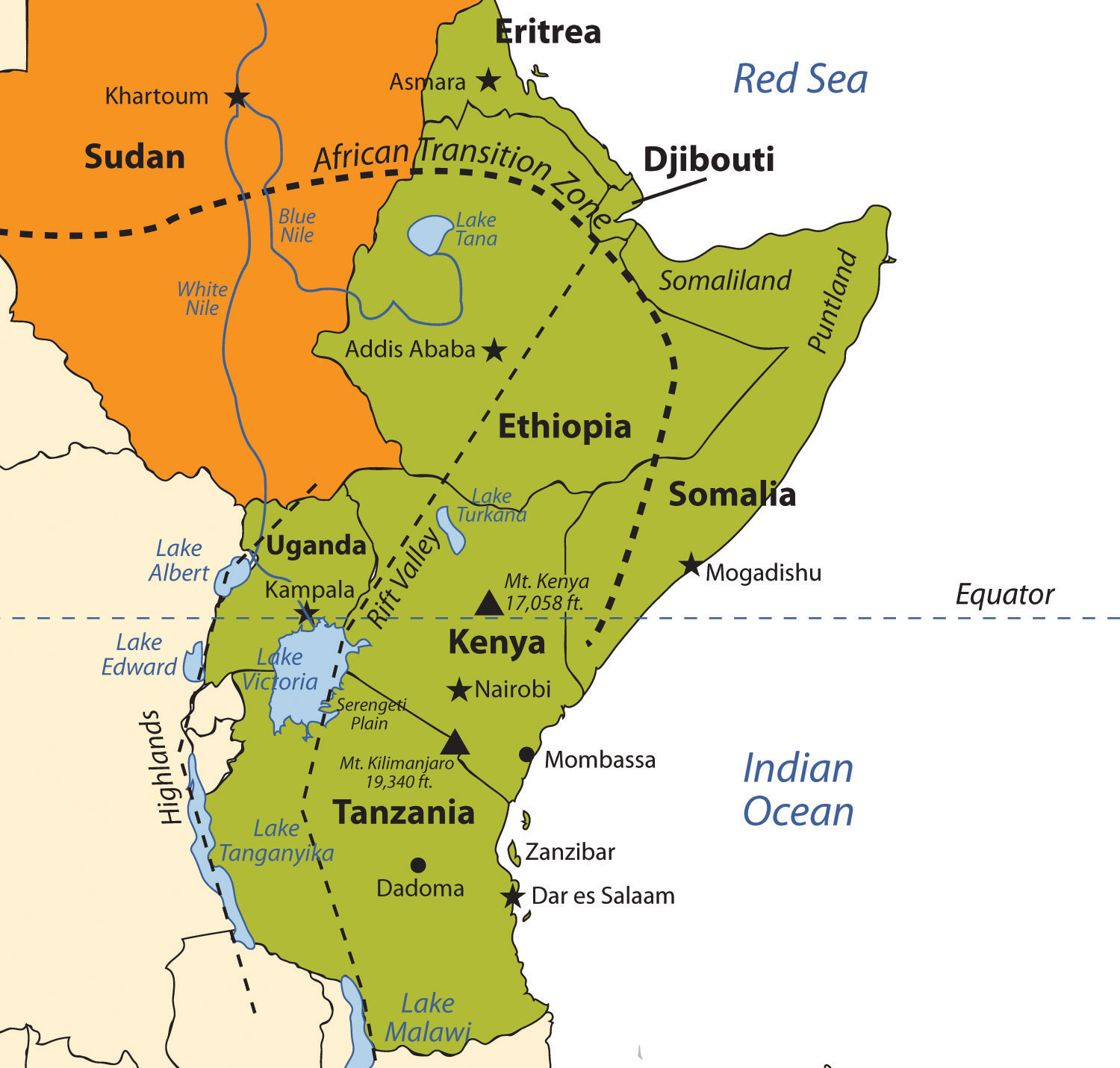
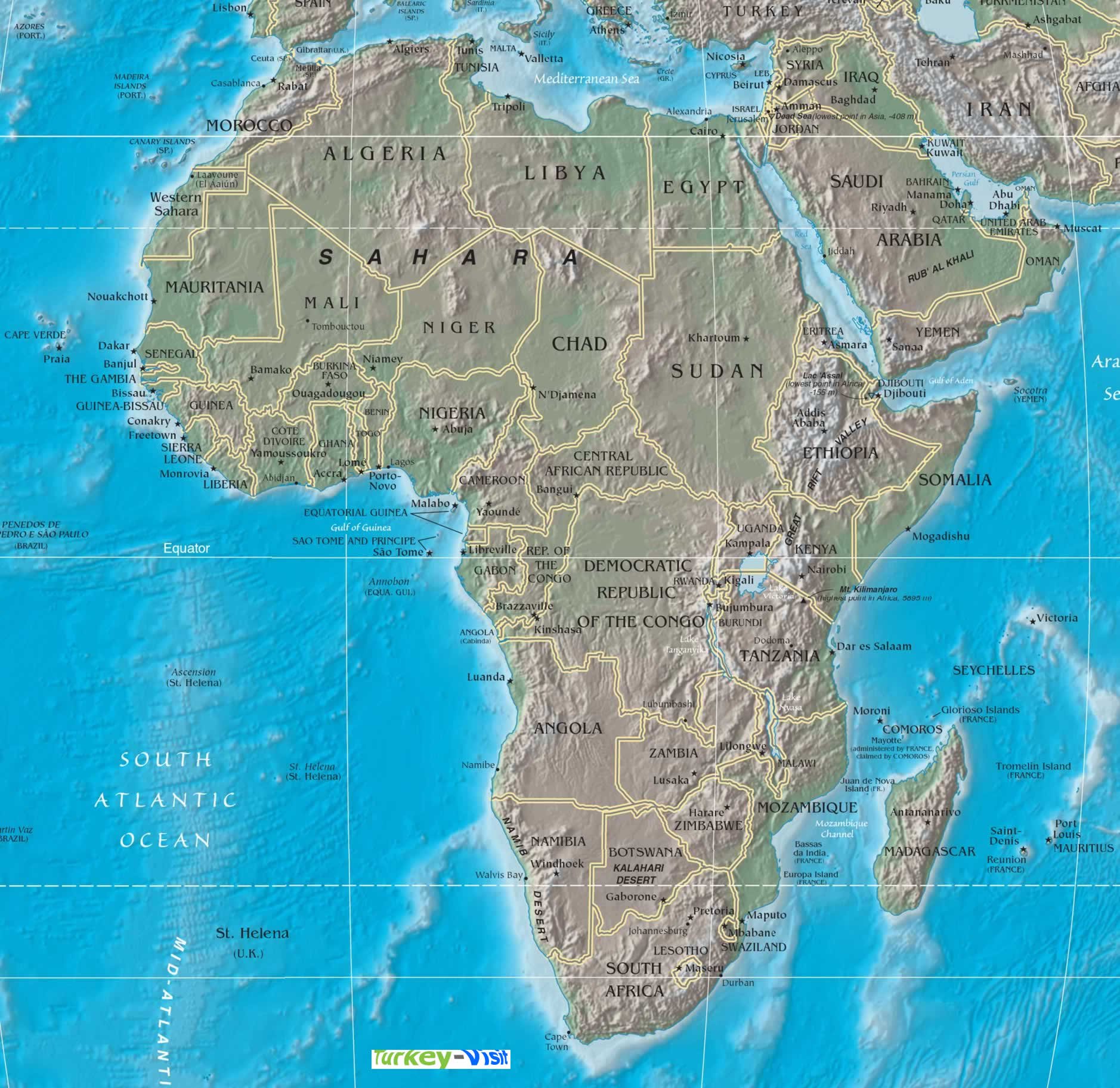
A physical map of East Africa vividly displays major geographical features such as the Great Rift Valley, imposing mountains like Mount Kilimanjaro and Mount Kenya, and expansive lakes including Lake Victoria, Lake Tanganyika, and Lake Malawi. It also details vast plains and plateaus. These elements define the region's remarkable and diverse natural terrain.Which countries' landscapes are typically represented on a physical map of East Africa?
The physical map of East Africa generally includes the landscapes of countries such as Kenya, Tanzania, Uganda, Rwanda, Burundi, South Sudan, Ethiopia, Eritrea, Djibouti, and Somalia. Sometimes, it extends to parts of Malawi and Mozambique. These nations share the unique geological and topographical characteristics that define East Africa. The map offers a comprehensive view of their natural settings.What is the environmental importance of the Great Rift Valley as depicted on a physical map of East Africa?
The Great Rift Valley, a dominant feature on a physical map of East Africa, holds immense environmental importance. Its deep depressions harbor numerous large lakes, which are crucial freshwater sources and support diverse aquatic ecosystems. The valley's unique geology also contributes to rich biodiversity, making it a critical habitat for various species. It significantly influences regional climate and hydrology.How do major lakes contribute to the physical geography of East Africa?
Major lakes like Victoria, Tanganyika, and Malawi are central to the physical geography of East Africa. They are often nestled within the Great Rift Valley, influencing local climates and providing essential water resources. These lakes are vital for fisheries, transportation, and regional economic activity. They are prominent features that shape the surrounding landscapes and support unique ecosystems. They are truly massive natural wonders.Why is the coastal region important when studying the physical map of East Africa?
The coastal region along the Indian Ocean is a significant part of the physical map of East Africa. It features diverse ecosystems, including coral reefs and mangrove forests, supporting unique marine life. Historically, this coastline has been crucial for trade and cultural exchange, linking East Africa to the Middle East and Asia. Its physical characteristics, such as harbors and beaches, continue to play a vital role in the region's economy and tourism.What role do volcanic mountains play in East Africa's physical landscape?
Volcanic mountains, notably Mount Kilimanjaro and Mount Kenya, are iconic elements on East Africa's physical map. Their sheer height and distinct topography create diverse climate zones, supporting unique ecosystems from tropical forests to alpine deserts. These mountains are important water sources, feeding rivers and influencing rainfall patterns. They are significant landmarks and natural resources. These peaks are a testament to the region's geological activity.A physical map of East Africa offers a window into one of Earth's most dramatic landscapes. It visually represents the natural features, including mountains, rivers, lakes, and deserts. This region, encompassing countries like Kenya, Tanzania, and Uganda, holds immense geological and historical significance. Understanding the physical map of East Africa helps us grasp its unique ecosystems and the impact on human settlement throughout history. It is a fascinating area for geographical study and exploration.
Key Features of the Physical Map of East Africa
When we look at the physical map of East Africa, several prominent features stand out. The **Great Rift Valley** is arguably the most defining characteristic, a massive geological trench stretching thousands of miles. This valley is home to numerous deep lakes, including Lake Tanganyika and Lake Malawi, forming vital freshwater resources. Adjacent to these features, towering volcanic peaks like **Mount Kilimanjaro** and Mount Kenya dominate the skyline. These majestic mountains influence regional weather patterns and support diverse vegetation zones. Rivers like the Nile also originate within this intricate landscape, flowing outwards from major lake systems. The coastline along the Indian Ocean introduces another distinct geographical element. These diverse features on the physical map of East Africa create a rich tapestry of environments.
Exploring the Physical Map of East Africa's Impact
The physical map of East Africa profoundly impacts its climate and biodiversity. Different altitudes and proximity to large bodies of water create varied climatic zones. From arid savannas to lush rainforests, the diverse terrain supports an incredible array of plant and animal life. For instance, the high elevations of the mountains provide cooler temperatures, contrasting with the warmer lowlands. This geographical variation directly influences agricultural practices and human population distribution. Understanding the physical map of East Africa helps explain the distribution of wildlife, from the Serengeti's great migrations to the mountain gorillas of Rwanda. It shapes the daily lives and opportunities for millions.
Table of Key Physical Features of East Africa
| Feature | Description | Significance |
| Great Rift Valley | Large geological trench, runs north-south | Human origins, major lakes, unique ecosystems |
| Mount Kilimanjaro | Africa's highest peak, dormant volcano | Major landmark, diverse climate zones, tourism |
| Lake Victoria | Africa's largest lake by area | Nile River source, fisheries, shared by three nations |
| Serengeti Plains | Vast grasslands and savannas | Annual wildebeest migration, rich wildlife |
| Indian Ocean Coast | East Africa's eastern boundary | Ports, marine biodiversity, historical trade routes |
| Mount Kenya | Africa's second highest peak, stratovolcano | Glaciers, unique afro-alpine vegetation |
What Others Are Asking?
What are the major physical features on the physical map of East Africa?
The physical map of East Africa highlights several significant features. These include the massive Great Rift Valley, Africa's tallest peaks like Mount Kilimanjaro and Mount Kenya, and expansive freshwater bodies such as Lake Victoria, Lake Tanganyika, and Lake Malawi. Vast plains like the Serengeti are also prominent. These elements collectively define the region's diverse and dramatic landscape, making it geographically unique and fascinating for exploration and study. Each feature plays a crucial role in the local environment and climate patterns of the area.
Which countries are included on a physical map of East Africa?
A physical map of East Africa typically encompasses a wide range of nations. Key countries often include Kenya, Tanzania, Uganda, Rwanda, Burundi, South Sudan, Ethiopia, Eritrea, Djibouti, and Somalia. Depending on the geographical definition, it might also extend to parts of Mozambique, Malawi, and Zambia. These nations share common geographical elements, including portions of the Great Rift Valley, large lakes, and mountainous terrains, making the physical map of East Africa a unifying representation for the region's natural boundaries and features. The inclusion of certain countries may vary by source.
What is the significance of the Great Rift Valley on the physical map of East Africa?
The Great Rift Valley is incredibly significant on the physical map of East Africa. It is a colossal geological formation that profoundly shaped the region's landscape and ecology. The valley is believed to be the cradle of humanity, where early human ancestors evolved. It features a chain of large, deep lakes and volcanoes, supporting unique ecosystems and rich biodiversity. Its dramatic terrain influences climate, water distribution, and the movement of wildlife. The Great Rift Valley profoundly impacts the environment. It continues to be a geologically active area.
What are the highest mountains identifiable on the physical map of East Africa?
The physical map of East Africa clearly identifies some of Africa's most iconic and highest mountains. Dominating the skyline are Mount Kilimanjaro in Tanzania, standing as the continent's tallest peak, and Mount Kenya in Kenya, Africa's second highest. Other notable mountains include the Rwenzori Mountains, located on the border of Uganda and the Democratic Republic of Congo. These volcanic and block mountains create distinct climate zones, from tropical forests at their bases to alpine deserts and glaciers at their summits. They are crucial for regional water sources and support unique biodiversity, making them vital landmarks. They also serve as significant tourist attractions.
How does the physical geography impact human settlement in East Africa?
The physical geography of East Africa significantly impacts human settlement patterns. Fertile areas around major lakes and rivers, like Lake Victoria and the Nile's headwaters, have historically attracted dense populations due to agricultural potential. Conversely, arid regions or steep mountainous terrains typically have sparser populations. The Great Rift Valley's natural corridors have also influenced trade routes and migrations for centuries. Access to water, arable land, and favorable climates remains crucial in determining where communities thrive. Understanding the physical map of East Africa helps explain the distribution of its diverse populations.
FAQ about Physical Map of East Africa
What is the physical map of East Africa?
A physical map of East Africa illustrates the natural terrain of the region. It highlights features like mountains, rivers, lakes, and plateaus. This map helps users visualize the geographical diversity, including the Great Rift Valley, volcanic peaks, and extensive lake systems. It is essential for understanding the natural environment.
Why is understanding the physical map of East Africa important?
Understanding the physical map of East Africa is crucial for various reasons. It helps explain climate patterns, biodiversity distribution, and historical human migrations. For students and travelers, it provides context for the region's unique ecosystems and geological formations. It unlocks a deeper appreciation for this pivotal region.
How does the Great Rift Valley appear on a physical map of East Africa?
On a physical map of East Africa, the Great Rift Valley appears as a prominent, elongated depression or trench. It stretches vertically through much of the region. This striking geological feature is often depicted with associated lakes and volcanic peaks. It is a defining characteristic that dominates the landscape, influencing the region's entire topography.
Who uses a physical map of East Africa?
Many different groups use a physical map of East Africa. Geographers, environmental scientists, tourists, students, and aid organizations find it invaluable. Anyone interested in understanding the natural landscapes, planning travel, or studying environmental challenges benefits from this detailed geographical representation. It serves a broad educational and practical purpose.
Great Rift Valley, Mount Kilimanjaro, Lake Victoria, diverse ecosystems, significant geological formations, unique climate zones, rich biodiversity, human origins, geographical importance, historical migrations, natural resources, varied topography.
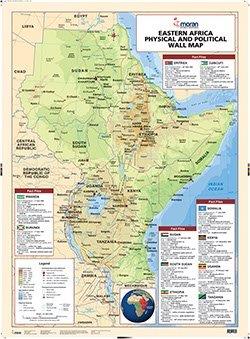 East Africa Physical Map Extra Large Africa Physical Map X
  Physical Map Of East Africa Stock Vector Africa With Near East Physical Vector Map Colored According To Elevation With Rivers And
 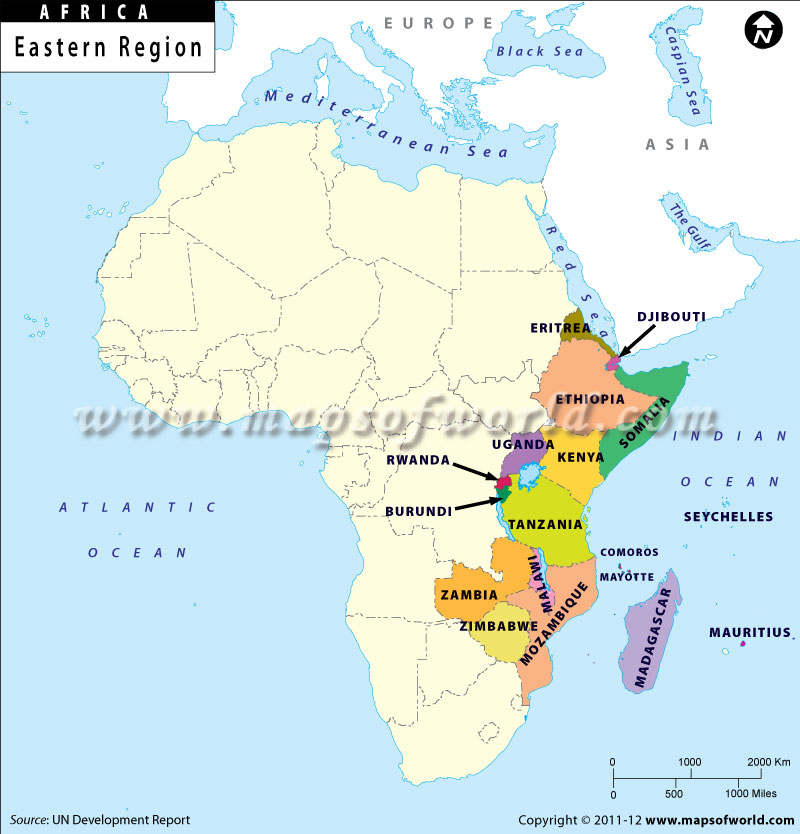 East Africa Physical Map Extra Large Africa Physical Map X Africa Eastern Region Map
 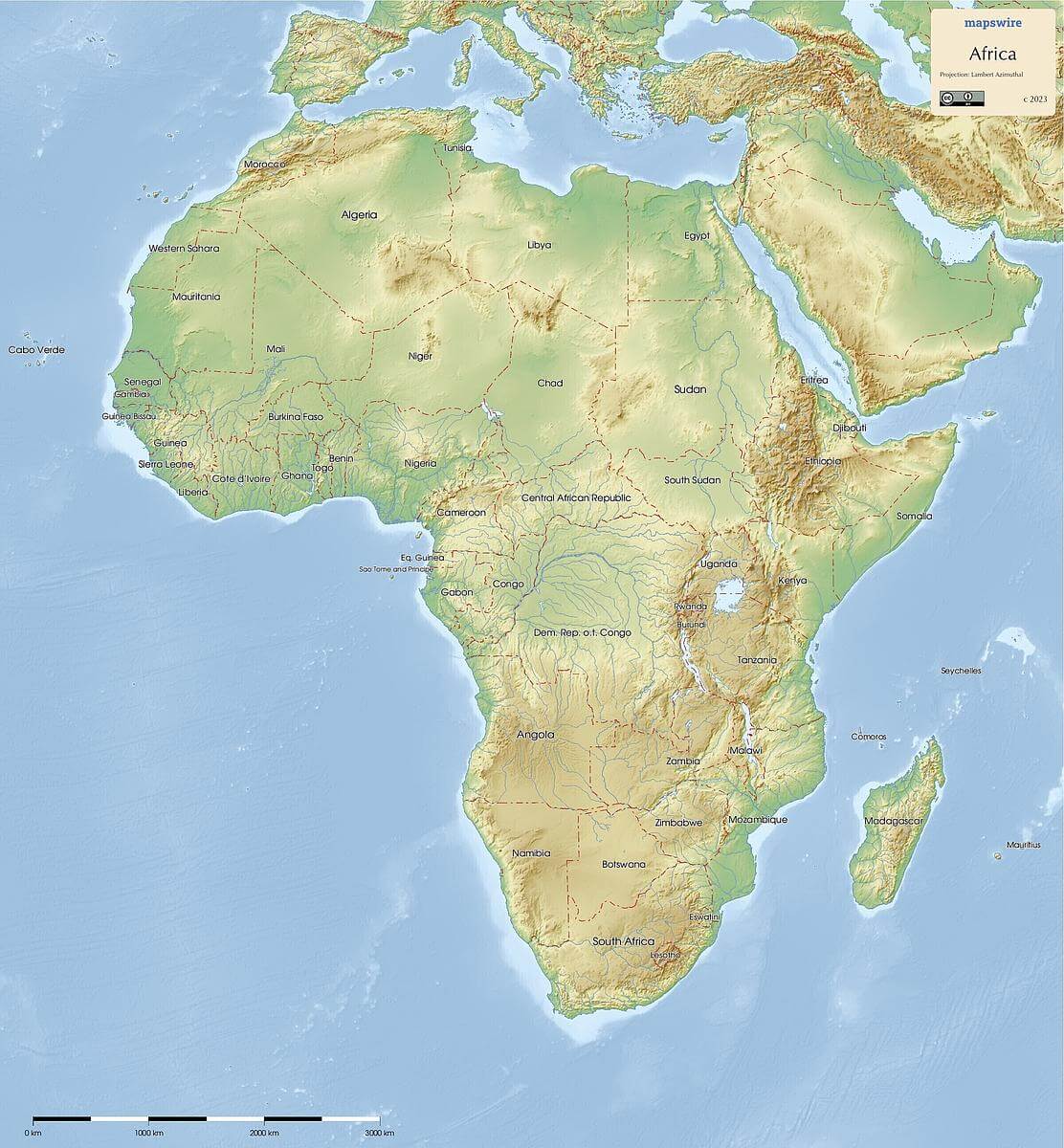 Free Maps Of Africa Mapswire Continent Af Physical Map Africa Lambert Az Hemi
  Plain Map Of East Africa Afr Gmea
 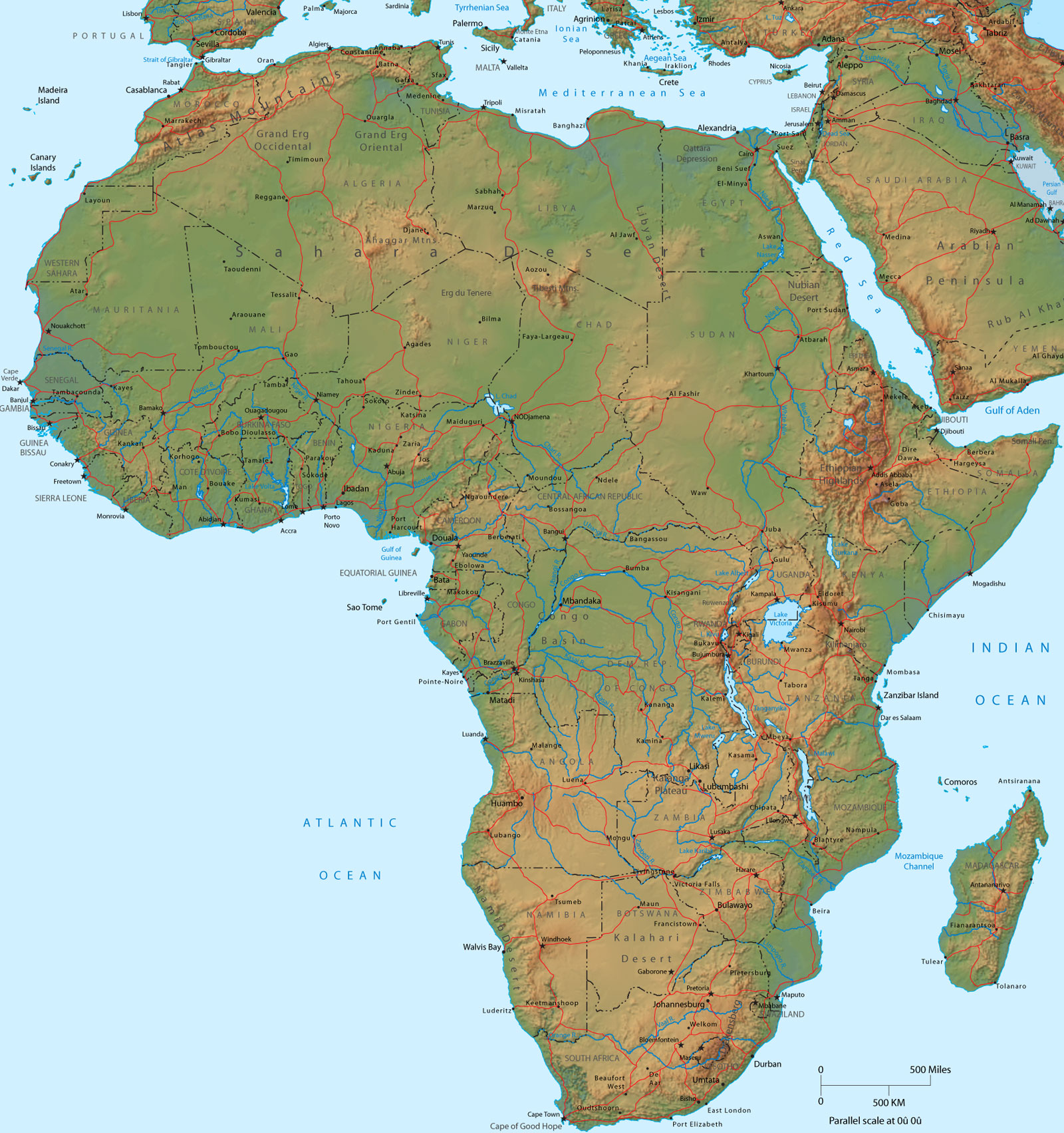 Physical Map Of Africa Africa Maps Map Pictures Africa Physical
  Africa Physical Map Outline
  Africa Climate Map Africa Physical Map
  Eastern Africa Physical Map
  Location Of East Africa px East Africa Regions Map
  Map Of Africa Africa