The "nsew map" concept is vital for navigating our world. Understanding North, South, East, and West allows us to comprehend directions whether using a physical map or a digital GPS. This fundamental knowledge underpins all spatial orientation. From planning road trips across the United States to exploring hiking trails, knowing your cardinal directions is indispensable. It enhances your ability to follow instructions, interpret weather patterns, and even understand architectural designs. Mastering the "nsew map" system improves safety during outdoor activities and makes learning geography more intuitive. For anyone in the USA, from students to seasoned travelers, grasping these basic directional principles opens up new possibilities for exploration and understanding their surroundings. It truly is a trending topic in basic navigation skills.
What are the cardinal directions on a map?
The cardinal directions on a map are North, South, East, and West. These are the four primary points used to orient oneself and understand spatial relationships. They are fundamental for map reading and navigation across the United States and globally. Mastering these directions enhances your ability to follow instructions and explore effectively.
How can I easily remember NSEW?
Many people find mnemonics helpful for remembering NSEW, such as "Never Eat Soggy Waffles" or "Naughty Elephants Squirt Water." These phrases create a memorable sequence for North, South, East, and West. Consistent practice with maps and real-world orientation also strengthens your recall and understanding of these vital directions.
Why is knowing North, South, East, West important for travel?
Knowing North, South, East, and West is crucial for travel as it allows you to interpret maps, follow GPS directions, and maintain your bearings. This foundational knowledge helps you navigate unfamiliar cities, wilderness trails, or even just find local attractions. It enhances safety and confidence when exploring new destinations across the USA.
Can I learn NSEW without a compass?
Yes, you can learn and apply NSEW without a physical compass. Methods include observing the sun's position (rising East, setting West) or using an analog watch with the sun. In the Northern Hemisphere, the North Star indicates North at night. While a compass offers precision, basic orientation is possible with natural indicators.
What is the difference between cardinal and ordinal directions?
Cardinal directions are the four main points: North, South, East, and West. Ordinal (or intercardinal) directions are the points found halfway between the cardinal directions, such as Northeast, Southeast, Southwest, and Northwest. Ordinal directions provide more specific guidance than cardinal points alone. They offer finer precision for navigation.
Understanding the "nsew map" is a foundational skill for anyone seeking to navigate the world around them. It refers to the cardinal directions: North, South, East, and West, which are essential for orientation. This system helps us determine where we are, where we are going, and how places relate to each other. Whether you are using a traditional paper map or a modern GPS, these directional principles are always at play, guiding your journey across the United States and beyond.
What is the NSEW Map System?
The "nsew map" system defines the four primary compass directions. North is typically at the top of most maps. South is directly opposite North. East is to the right when facing North, and West is to the left. These directions create a universal language for location. They are crucial for communication when giving or receiving travel instructions.
Why is Understanding NSEW Important for Navigation?
Knowing your "nsew map" directions empowers you to read any map accurately. It helps you orient yourself in unfamiliar places. For instance, if a map shows a landmark to the North, you can easily locate it. This skill is vital for hikers, drivers, and even city explorers. It provides a reliable framework for understanding any environment.
How to Use NSEW with a Map or Compass
To use "nsew map" with a compass, first align your compass needle to magnetic North. Then, rotate your map until its North arrow also points in the same direction. This aligns your map with the real world. Now, South, East, and West on your map will correspond correctly to your surroundings. Practice makes this process second nature for effective navigation.
NSEW and GPS Technology
Even with advanced GPS systems, the "nsew map" principles remain crucial. GPS devices still use cardinal directions to guide you. They show your current heading and target direction. Understanding North, South, East, and West helps interpret GPS instructions. This ensures you make the right turns and reach your destination efficiently.
Benefits of Mastering Cardinal Directions
Mastering "nsew map" skills brings numerous benefits. It enhances your independence when traveling. It builds confidence in unfamiliar territories. You can better plan routes and avoid getting lost. This fundamental knowledge is an empowering tool. It connects you more deeply with your physical environment.
NSEW Map Basic Table
| Direction | Abbreviation | Opposite Direction | Description |
| North | N | South | Towards the North Pole |
| South | S | North | Towards the South Pole |
| East | E | West | Towards the rising sun |
| West | W | East | Towards the setting sun |
What Others Are Asking?
What are the four main compass points called?
The four main compass points are called the cardinal directions: North, South, East, and West. These points form the fundamental basis for all navigational systems. They help individuals orient themselves and understand their surroundings. Knowing them is crucial for reading maps accurately and following directions effectively in any setting.
How do you remember NSEW?
Many people remember NSEW using mnemonics like "Never Eat Soggy Waffles" or "Naughty Elephants Squirt Water." These simple phrases assign a word starting with N, E, S, and W to help recall the correct order. Regular practice with maps and compasses also solidifies this crucial directional knowledge over time for effective navigation.
What are the eight directions of a compass?
The eight directions of a compass include the four cardinal directions (North, South, East, West) and four intercardinal (or ordinal) directions. These are Northeast (NE), Southeast (SE), Southwest (SW), and Northwest (NW). These eight points offer a more precise way to describe a bearing or direction. They are widely used in various navigational contexts.
Why are cardinal directions important for maps?
Cardinal directions are vital for maps because they provide a universal framework for orientation. Without them, maps would be useless for navigation, as there would be no consistent way to relate features on the map to the real world. They ensure everyone can understand and follow directions, making travel and exploration possible. This system connects map representations to physical reality.
How do you find your direction without a compass?
You can find your direction without a compass using several methods. The sun rises generally in the East and sets in the West. In the Northern Hemisphere, the North Star (Polaris) points North at night. You can also use an analog watch and the sun, or observe moss growth on trees, though these are less precise. These techniques offer basic orientation.
FAQ about NSEW Map
What is an NSEW map?
An NSEW map uses the cardinal directions North, South, East, and West as its primary orientation points. It is a fundamental tool for understanding spatial relationships and navigating any geographic area. This system forms the basis for reading all types of maps effectively.
Who uses NSEW maps?
Everyone from casual travelers to professional navigators uses NSEW maps. Hikers, drivers, pilots, sailors, and urban explorers all rely on these directional principles. Students learning geography also begin with understanding the NSEW system. It is a universal skill.
Why is the NSEW map system important?
The NSEW map system is important for providing a standardized way to orient oneself and understand locations. It enables clear communication of directions and prevents getting lost. This system is crucial for safety, efficiency, and comprehension in travel and daily life. It forms the backbone of all directional awareness.
How do I use an NSEW map?
To use an NSEW map, first identify the North arrow. Then, align your map with the real world by finding North in your surroundings, often with a compass or sun. Once aligned, you can easily determine where South, East, and West are relative to your position. This allows for accurate navigation.
Essential for navigation and map reading. Fundamental for understanding spatial relationships. Improves travel and outdoor safety. Core concept in geography education. Universally applicable directional system for the "nsew map".
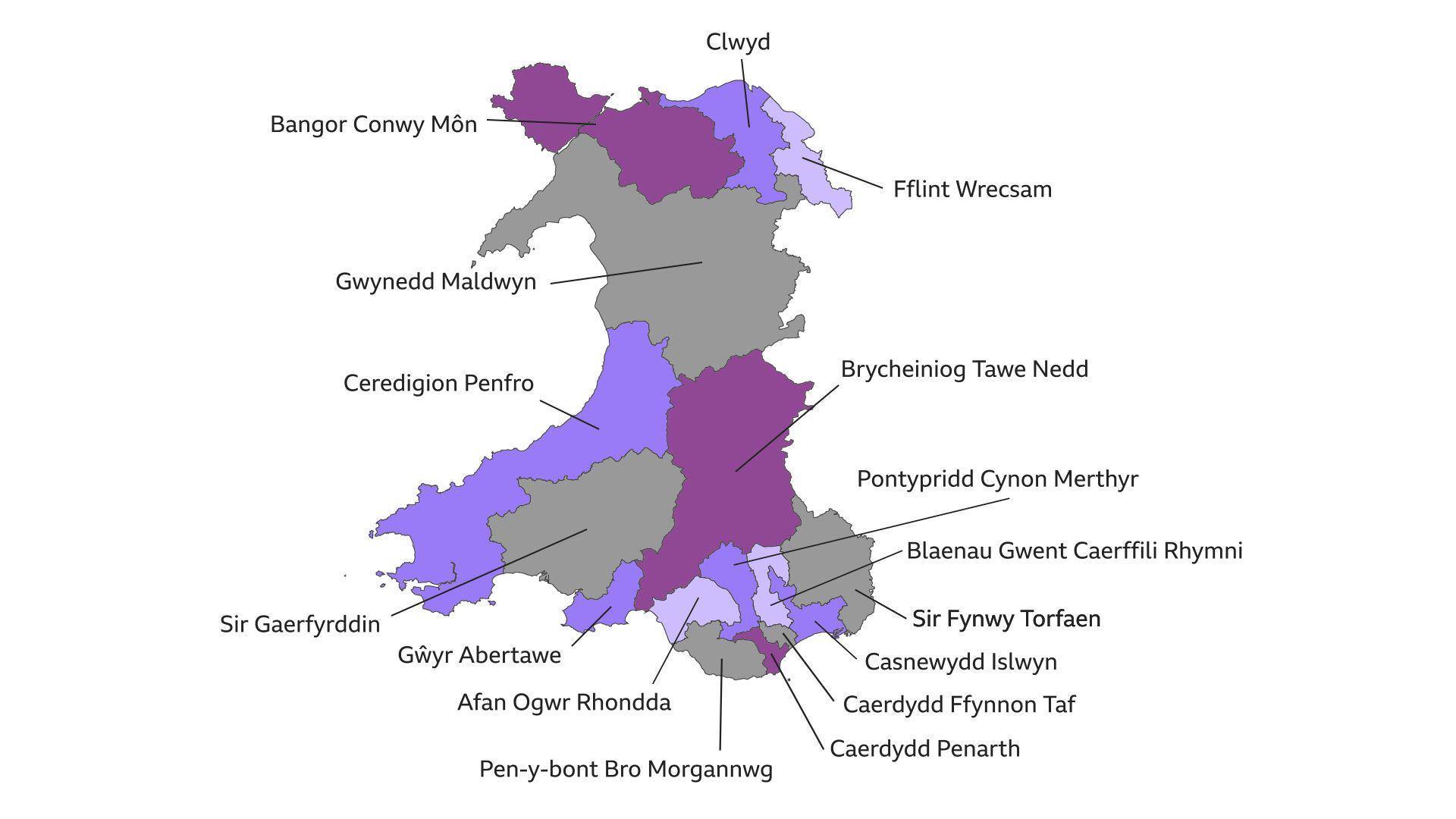 Senedd Expansion Welsh Only Names For All Welsh Parliament Seats BBC Adb Fed ef Be
 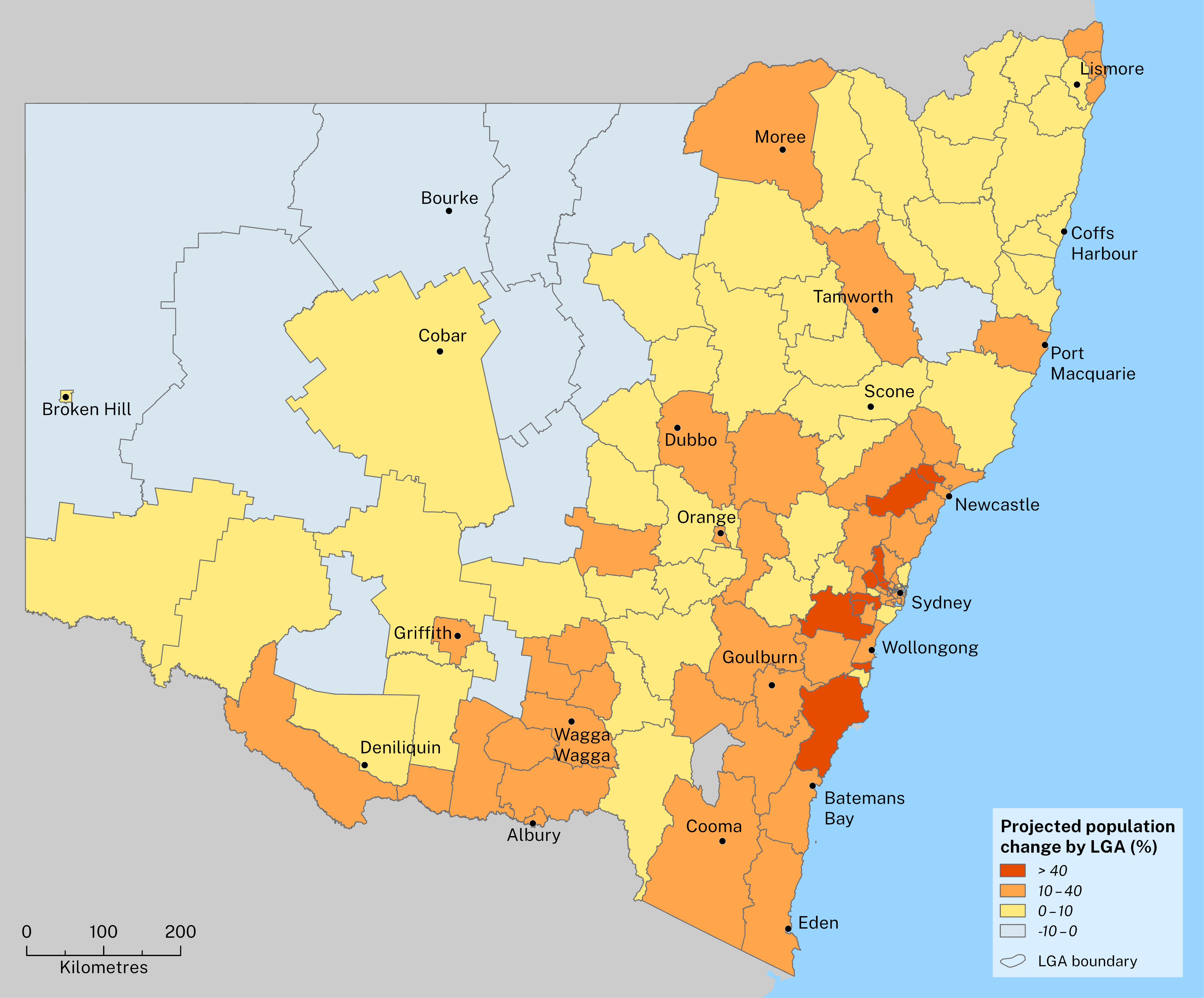 Population And The Environment NSW State Of The Environment D.
 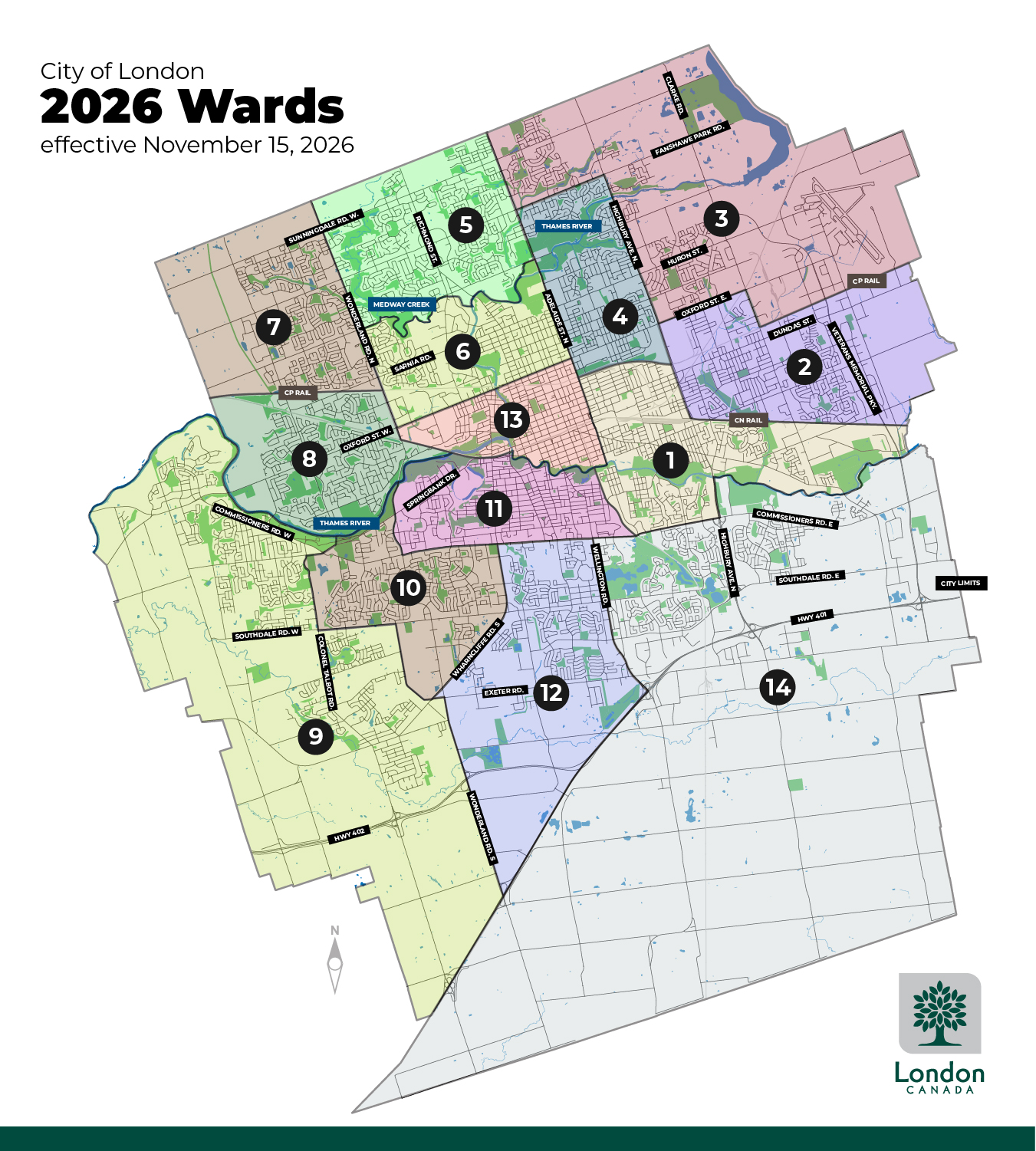 Ward Boundary Review City Of London
 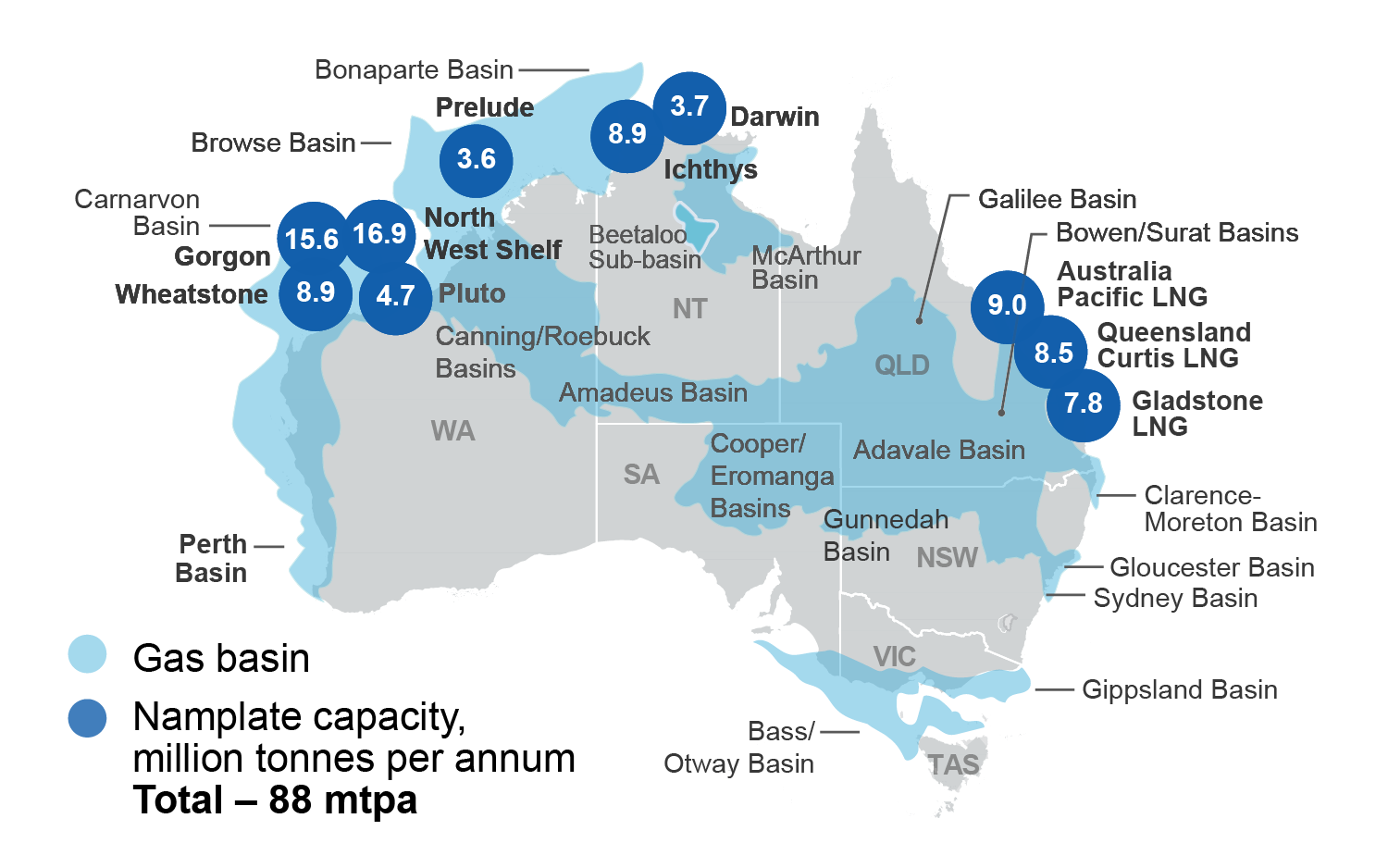 Resources And Energy Quarterly September Department Of Industry Req December Gas
  Australian Open Ticket Packages The AO Campus Map Rod Laver Arena
  Census Test Press Kit CT National Sites Map Large
 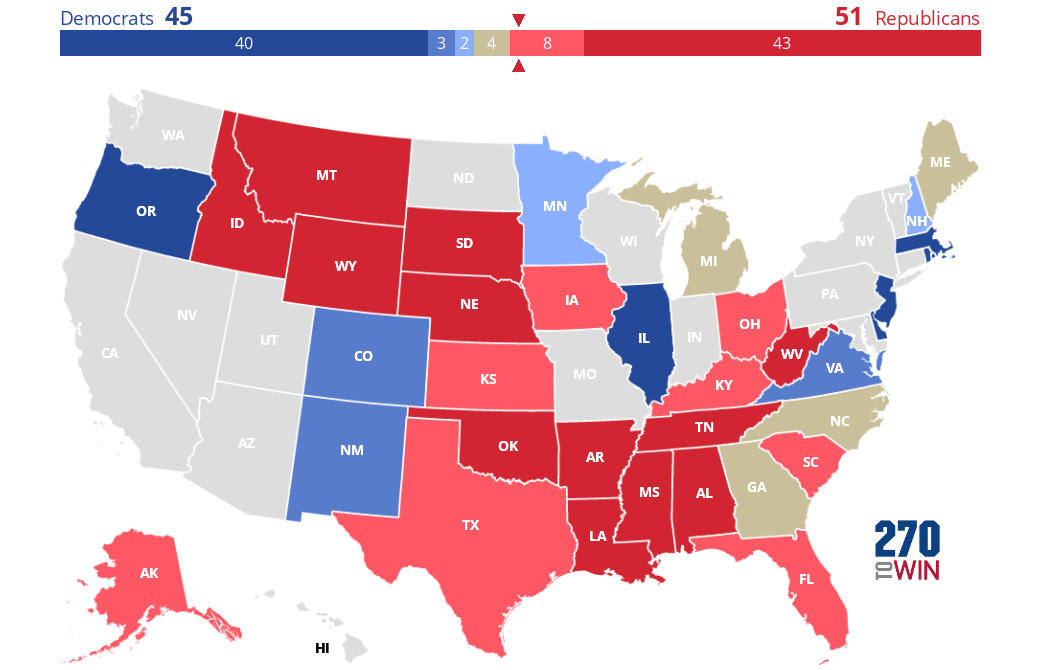 Introducing The Senate Interactive Map toWin Preliminary Senate Outlook
  World Map With Country Names Stable Diffusion Online b fd A
 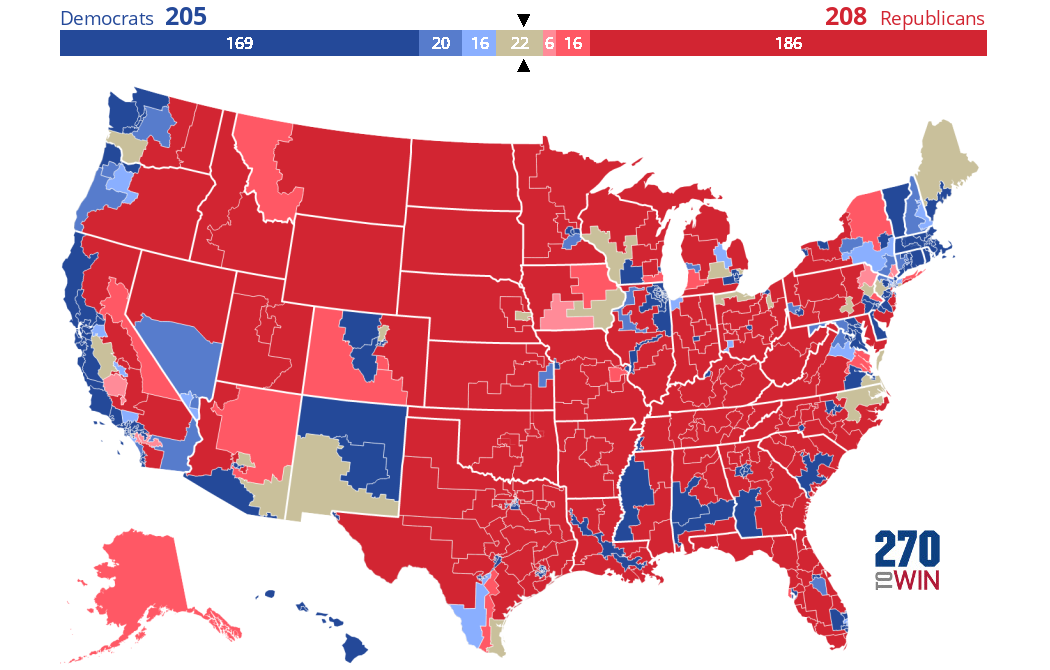 New York House Election Map toWin Consensus House Forecast
  World Cup Map World Cup How Each Country Voted World Cup
 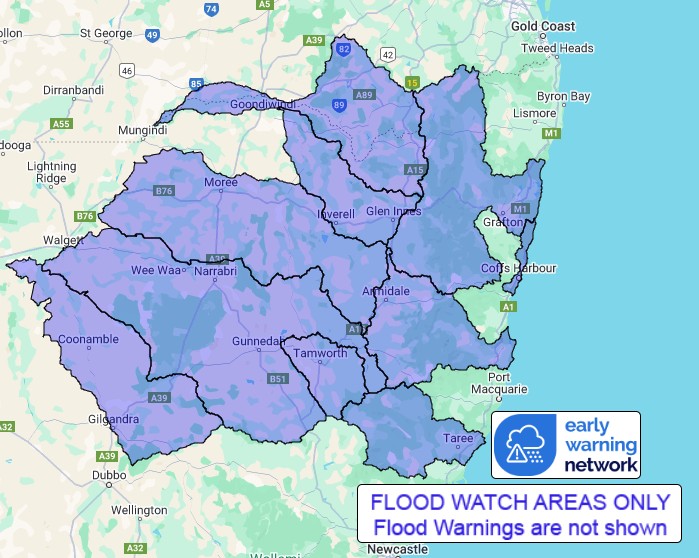 NSW Flood Watch Mid North Coast North West Central West Catchments Nsw Fw