US forestry maps are indispensable tools for navigating and managing the vast forested landscapes of the United States. These detailed resources offer critical geographical information for a wide range of users, from government agencies overseeing sustainable timber harvests and ecological restoration to outdoor enthusiasts planning their next adventure. By 2026, these maps have evolved significantly, integrating advanced GIS technology and real-time data to provide up-to-date insights into forest health, land ownership, and recreational opportunities. They are trending as vital assets for informed decision-making in conservation efforts, wildfire prevention strategies, and responsible land use planning. Whether you are a forester, a researcher, a hiker, or a hunter, understanding and utilizing US forestry maps is key to engaging with America's natural heritage responsibly and effectively. Their navigational and informational potential continues to grow, making them crucial for anyone exploring or managing forest lands across the nation. These maps empower users to protect, study, and enjoy our precious woodlands.
What are US forestry maps used for today?
US forestry maps are essential tools for diverse applications. They help manage timber resources, plan outdoor recreation, and support wildfire prevention efforts. Conservationists use them for habitat protection, while researchers study ecological changes. These maps provide critical geographic information for sustainable forest stewardship and public safety nationwide.
Where can I find free US forestry maps online?
Many federal and state agencies offer free US forestry maps online. The USDA Forest Service website is a primary source for national forests. State forestry departments also provide detailed local maps. You can also explore resources from the Bureau of Land Management or the US Geological Survey. These platforms offer valuable downloadable resources.
How do US forestry maps help with wildfire prevention?
US forestry maps are crucial for wildfire prevention and response. They pinpoint fuel loads, vegetation types, and terrain features that influence fire behavior. Firefighters use them to plan containment strategies and identify safe zones. These maps assist in hazard assessment and community evacuation planning. They save lives and protect resources.
Are US forestry maps updated regularly?
Yes, US forestry maps are updated regularly to reflect changes in forest conditions. Federal agencies like the Forest Service frequently revise their digital and print maps. Updates account for timber harvesting, reforestation, natural disturbances, and new infrastructure. Utilizing the latest versions ensures you have accurate and current information for your activities.
Can I use US forestry maps for recreational purposes?
Absolutely, US forestry maps are highly beneficial for recreational purposes. They highlight trails, campgrounds, waterways, and points of interest within forests. Hikers, hunters, anglers, and campers use them to navigate safely and plan their adventures. Always consult official maps before exploring unfamiliar forest areas for a rewarding experience.
Who creates US forestry maps?
Various government agencies create US forestry maps. The USDA Forest Service produces maps for national forests and grasslands. State forestry departments map state-managed lands. Other contributors include the Bureau of Land Management and the US Geological Survey, which provide broader topographic and land use data. These maps ensure comprehensive coverage.
Have you ever wondered how we manage America's vast forests effectively? US forestry maps are essential tools guiding everything from conservation to recreation. These critical resources help us understand, protect, and enjoy our nation's woodlands. They provide vital geographical data for anyone engaged with forest lands. These maps support informed decisions for sustainable practices.
US forestry maps serve many important roles across the United States today. They offer detailed views of forest cover, land ownership, and ecological zones. Land managers rely on them for sustainable planning and resource allocation. These maps are crucial for tracking forest health and identifying areas needing attention. They truly empower better environmental stewardship nationwide.
For outdoor enthusiasts, US forestry maps are truly indispensable. They help hikers find trails, hunters locate game, and campers discover serene spots. These maps also guide wildfire responders in critical situations. They show access points and safety zones, making outdoor activities safer. Exploring our natural heritage becomes easier with these detailed guides.
Looking at 2026, US forestry maps are more dynamic than ever. They integrate advanced GIS technology and satellite imagery. This allows for real-time updates on forest changes and conditions. Scientists use them for climate research and biodiversity studies. Policy makers also leverage this data for land use regulations. These maps are crucial for our environmental future.
Many types of US forestry maps exist, each with a specific focus. Some show timber harvest schedules and reforestation efforts. Others highlight protected areas or wildlife habitats. Public land maps clarify access for recreation. Digital platforms make these valuable resources widely available. Finding the right map for your needs is now straightforward.
Key US Forestry Map Resources Table
| Agency | Map Type | Primary Focus | Accessibility |
|---|---|---|---|
| USDA Forest Service | National Forest Maps | Recreation, land management | Online, print |
| Bureau of Land Management | Public Land Maps | Grazing, mining, recreation | Online, print |
| State Forestry Departments | State Forest Maps | Local forest management, recreation | Online, print |
| US Geological Survey | Topographic Maps | Elevation, terrain, hydrology | Online, print |
| National Park Service | Park Maps | Visitor navigation, park features | Online, print |
What Others Are Asking About US Forestry Maps?
What are US forestry maps used for today?
US forestry maps are essential tools for diverse applications. They help manage timber resources, plan outdoor recreation, and support wildfire prevention efforts. Conservationists use them for habitat protection, while researchers study ecological changes. These maps provide critical geographic information for sustainable forest stewardship and public safety nationwide.
Where can I find free US forestry maps online?
Many federal and state agencies offer free US forestry maps online. The USDA Forest Service website is a primary source for national forests. State forestry departments also provide detailed local maps. You can also explore resources from the Bureau of Land Management or the US Geological Survey. These platforms offer valuable downloadable resources.
How do US forestry maps help with wildfire prevention?
US forestry maps are crucial for wildfire prevention and response. They pinpoint fuel loads, vegetation types, and terrain features that influence fire behavior. Firefighters use them to plan containment strategies and identify safe zones. These maps assist in hazard assessment and community evacuation planning. They save lives and protect resources.
Are US forestry maps updated regularly?
Yes, US forestry maps are updated regularly to reflect changes in forest conditions. Federal agencies like the Forest Service frequently revise their digital and print maps. Updates account for timber harvesting, reforestation, natural disturbances, and new infrastructure. Utilizing the latest versions ensures you have accurate and current information for your activities.
Can I use US forestry maps for recreational purposes?
Absolutely, US forestry maps are highly beneficial for recreational purposes. They highlight trails, campgrounds, waterways, and points of interest within forests. Hikers, hunters, anglers, and campers use them to navigate safely and plan their adventures. Always consult official maps before exploring unfamiliar forest areas for a rewarding experience.
Who creates US forestry maps?
Various government agencies create US forestry maps. The USDA Forest Service produces maps for national forests and grasslands. State forestry departments map state-managed lands. Other contributors include the Bureau of Land Management and the US Geological Survey, which provide broader topographic and land use data. These maps ensure comprehensive coverage.
Crucial for land management, vital for conservation, supports recreation, aids wildfire prevention, essential for research, promotes sustainable practices, increasingly digital access.
 Interactive Map Of U S National Forests
 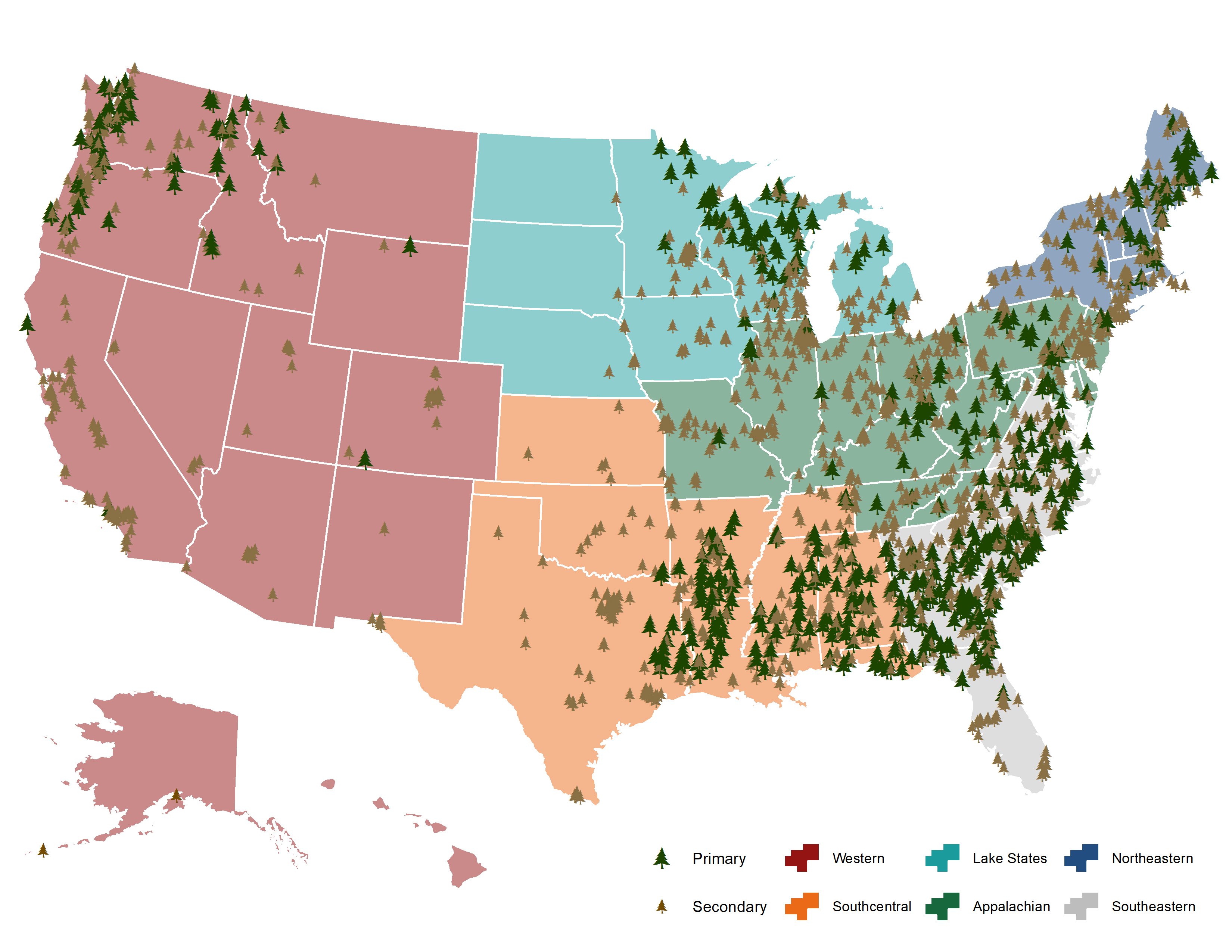 New FRA Map Illustrates Reach Of US Forest Products Industry FRA MemberMap Regions FInal
  The Forest Cover Of The United States Mapped Vivid Maps
  US Forest Service Regions Map Your Guide To Americas Wildlands Forest Service Regions Contact Info
 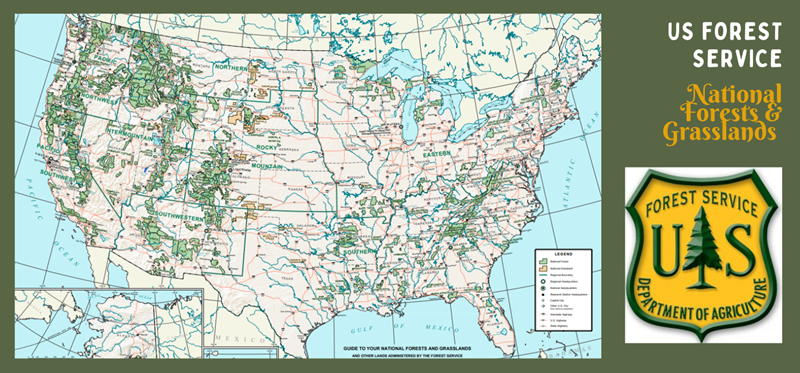 US Forest Service Regions Map Your Guide To Americas Wildlands US Forest Service Map
  Map Of Us Forest Oconto County Plat Map
  Research Highlights
 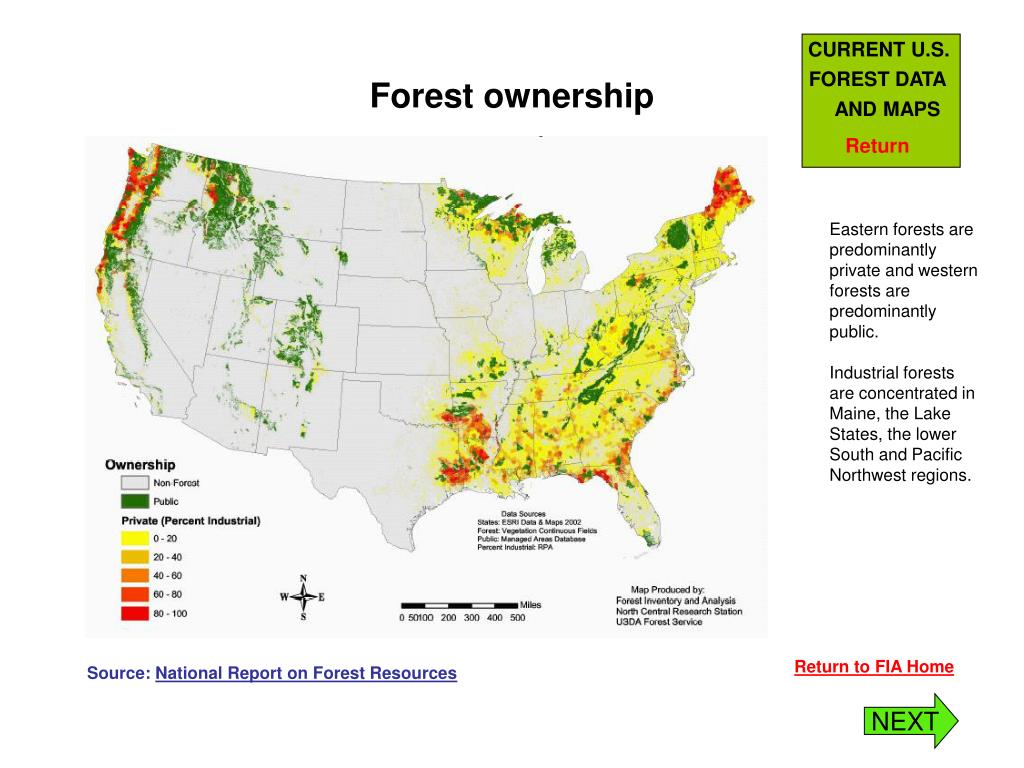 PPT CURRENT U S FOREST DATA AND MAPS PowerPoint Free Forest Ownership L
  Map Of Forests In The United States Us World Maps
 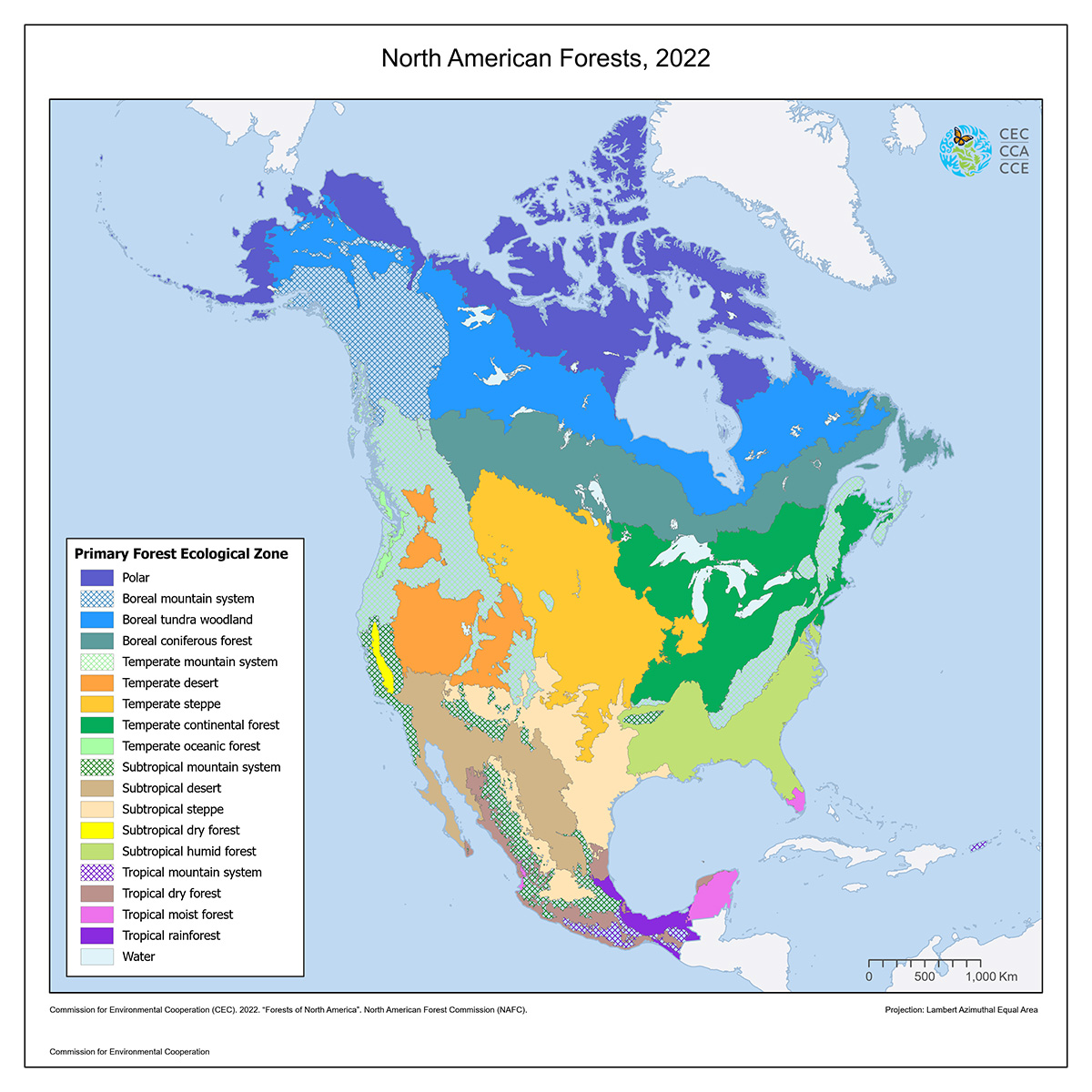 Unveiling The US Forest Map A Seasonal Guide North American Forests Landing Page
  U S Forests Map Large USForests x