Exploring the seas of the world map offers a fascinating journey across Earth's diverse aquatic landscapes. These essential bodies of water, distinct from the vast oceans, play critical roles in global climate, biodiversity, and human history. Understanding their locations, characteristics, and ecological significance helps us grasp the intricate connections that define our planet's geography. From the strategic Mediterranean to the biodiverse Caribbean, each sea tells a unique story of natural wonder and cultural interaction. Maps of the world's seas are not just navigational tools; they are windows into the dynamic processes that continually shape continents and influence civilizations. They provide crucial insights into marine life, oceanic currents, and the impact of human activities on delicate ecosystems. Discovering the 'seas of the world map' empowers us with knowledge about our shared blue planet.
What are the primary differences between a sea and an ocean on a world map? Oceans are immense, deep, and continuous bodies of saltwater spanning vast areas, like the Pacific. Seas are generally smaller, shallower, and often partially enclosed by land, typically connecting to a larger ocean, such as the Mediterranean Sea. How many major seas are typically identified on a world map? While definitions vary, most detailed world maps identify over 50 distinct seas. These include well-known bodies like the Caribbean Sea, the North Sea, and the South China Sea, each with unique geographical and ecological features. What is the ecological significance of the seas shown on a world map? Seas are vital ecosystems supporting incredible biodiversity, from coral reefs to deep-sea trenches. They are crucial for marine life, act as significant carbon sinks, and contribute immensely to the global food chain, impacting numerous species. How do humans interact with the seas of the world map? Humans interact with seas for fishing, shipping, tourism, and resource extraction, relying heavily on these waters for economic and cultural activities. Understanding the 'seas of the world map' helps manage these interactions sustainably. Which seas are most important for global trade routes? The Mediterranean Sea, the South China Sea, and the North Sea are among the most critical for global trade, facilitating the movement of goods between major continents. These maritime arteries are indispensable for the world economy. What role do seas play in global weather patterns? Seas significantly influence global weather patterns by absorbing and releasing heat, driving ocean currents, and contributing to atmospheric moisture. Their interaction with the atmosphere creates weather phenomena that impact continents worldwide. Are inland lakes ever considered seas on a world map? Sometimes, very large inland saltwater bodies, like the Caspian Sea, are referred to as seas due to their size and salinity, even though they are technically lakes. This usage reflects their vastness, often seen on a 'seas of the world map'. UNVEILING THE SEAS OF THE WORLD MAP YOUR GUIDE TO GLOBAL WATERS The seas of the world map visually explain where Earth's vast saltwater bodies are located, detailing their connections to oceans and continents. These maps help us understand global geography, marine ecosystems, and human maritime activities, revealing the intricate network of water that defines our planet. They show us what bodies of water exist, where they are found, and how they relate to landmasses, providing essential navigational and educational insights. Learning about these seas truly empowers our understanding of Earth. We can see how human travel and trade have always depended on these critical waterways, linking civilizations across the globe. Understanding the Seas of the World Map Why They Matter When we look at a map of the world's seas, we are really looking at the planet's circulatory system. These bodies of water are crucial for regulating global temperatures and supporting incredible biodiversity. Each sea has unique features and plays a vital role in its surrounding regions. From feeding millions to influencing weather patterns, the seas of the world map illustrate their profound impact. Exploring the Seas of the World Map Connections and Commerce The various seas are not isolated; they connect continents and cultures, facilitating trade and cultural exchange for millennia. The Mediterranean Sea, for example, has been a cradle of civilization, linking Europe, Africa, and Asia. Understanding these connections helps us appreciate the historical and economic importance of maritime routes. A comprehensive 'seas of the world map' truly highlights these essential arteries of global interaction. A Closer Look at Major Seas on the World Map Understanding the distinct characteristics of key seas enhances our geographic knowledge. Each sea contributes uniquely to Earth's diverse aquatic environment. These details are clearly shown on any detailed 'seas of the world map'. Sea Name Location Primary Ocean Key Feature Mediterranean Sea Europe, Africa, Asia Atlantic Ocean Inland sea, historic trade routes Caribbean Sea Central America, Antilles Atlantic Ocean Tropical, rich biodiversity South China Sea Southeast Asia Pacific Ocean Strategic importance, many islands North Sea Europe Atlantic Ocean Oil and gas, busy shipping lanes Red Sea Africa, Asia Indian Ocean High salinity, coral reefs Baltic Sea Northern Europe Atlantic Ocean Brackish water, busy ports Black Sea Europe, Asia Atlantic Ocean Unique deepwater chemistry What Others Are Asking About Seas of the World Map How many seas are there in the world map While the exact number can vary depending on definition, a widely accepted count recognizes over 50 named seas globally. These distinct bodies of water are typically smaller than oceans and often partially enclosed by land, as clearly depicted on any 'seas of the world map'. What is the largest sea on the world map The Philippine Sea, located in the western Pacific Ocean, is generally considered the largest sea by area. It spans an immense expanse, showcasing incredible depth and marine biodiversity. Its vastness makes it a significant feature on the 'seas of the world map'. Are seas and oceans the same thing on a world map No, seas and oceans are distinct although interconnected on a world map. Oceans are vast, deep, continuous bodies of saltwater, while seas are generally smaller, shallower, and often partially enclosed by land, usually connecting to an ocean. Why are some bodies of water called seas instead of oceans Bodies of water are called seas when they are typically smaller than oceans and often partially or entirely enclosed by land. They usually connect to an ocean, but their distinct geographical characteristics and sometimes unique ecosystems warrant separate classification, as seen on a 'seas of the world map'. Which sea is known for its extreme saltiness The Red Sea is renowned for its exceptional saltiness, making it one of the warmest and saltiest seas globally. Its high evaporation rates and limited freshwater inflow contribute to this unique characteristic, which is a key highlight on any 'seas of the world map'. How do seas impact global climate as shown on a map Seas significantly influence global climate by absorbing and distributing solar heat, driving ocean currents, and influencing weather patterns. Their vast surfaces interact with the atmosphere, releasing moisture and heat that affect rainfall and temperature worldwide, visible through currents on the 'seas of the world map'. What major seas border Europe on a world map Europe is bordered by several major seas, including the Mediterranean Sea to the south, the North Sea and Baltic Sea to the north, and the Black Sea to the southeast. These seas have historically been crucial for trade, defense, and cultural exchange, as clearly marked on the 'seas of the world map'. FAQ About Seas of the World Map What is the purpose of mapping the seas of the world Mapping the seas of the world helps us understand global geography, navigate shipping routes, study marine life, and manage ocean resources. It provides vital information for environmental conservation and climate research, crucial for our planet's future. Who benefits from knowing about the seas of the world map Everyone benefits, from scientists and navigators to policymakers and the general public. Understanding these maps aids in resource management, disaster preparedness, environmental protection, and appreciating our world's interconnectedness. Why are the seas of the world important The seas are vital for life on Earth. They produce much of our oxygen, regulate climate, provide food, and facilitate global trade. Their rich biodiversity supports complex ecosystems, making them essential for ecological balance. How do physical features define seas on a world map Physical features like coastlines, islands, and underwater ridges help define individual seas on a world map. These natural boundaries differentiate seas from vast oceans, contributing to their unique characteristics and often shallower depths. Summary of Key Points about Seas of the World Map In summary, exploring the seas of the world map offers deep insights into our planet's geography and ecology. These crucial bodies of water are distinct from oceans, influencing climate, supporting vast biodiversity, and shaping human history through trade and exploration. Understanding them helps us appreciate Earth's intricate systems and the importance of marine conservation. We encourage everyone to take a closer look at the diverse and dynamic seas that connect our world.Global geographic understanding, Marine biodiversity importance, Climate regulation role of seas, Historical and cultural significance, Navigational and trade routes, Continental boundary definitions, Ecosystem variety on the world map.
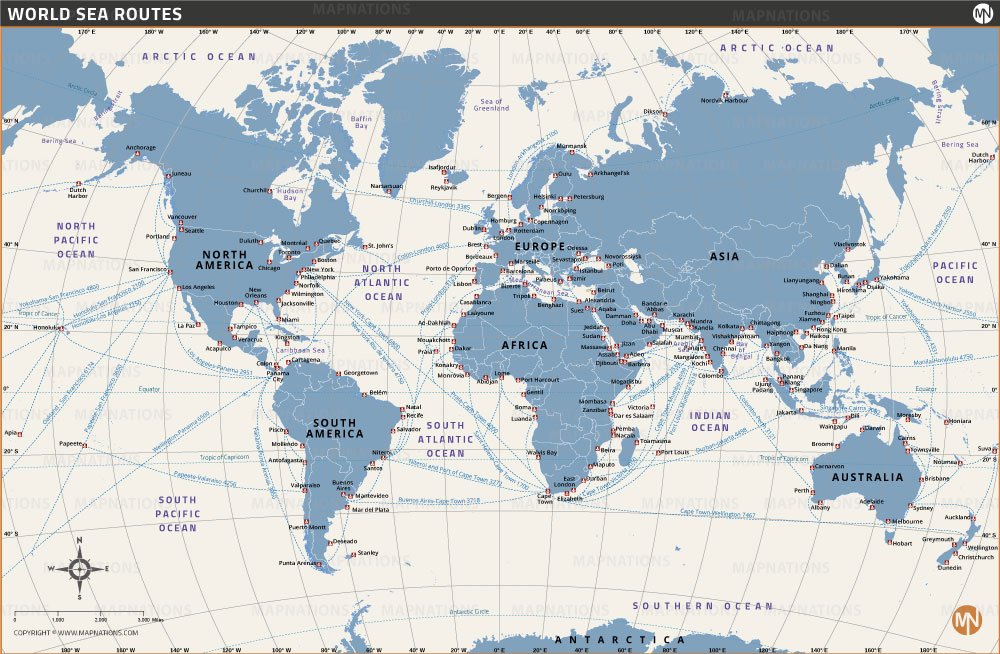 World Maritime Routes Map Major Global Shipping Lanes And Ports World Sea Routes Map
  World Map Oceans Rivers And Seas
 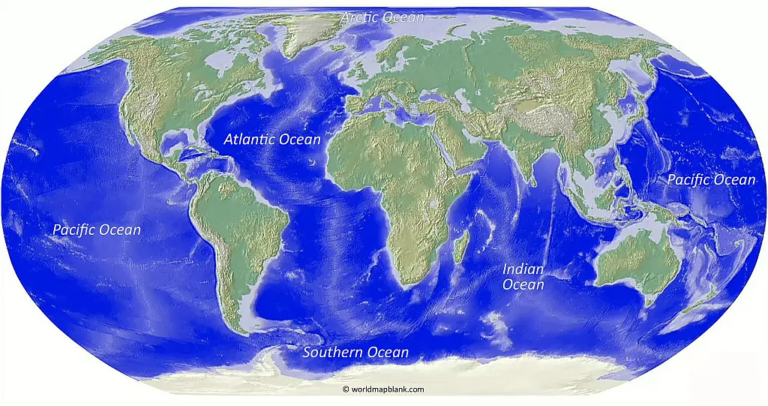 World Map With Seas Oceans Map Of The World PDF Printable World Maps Image x
 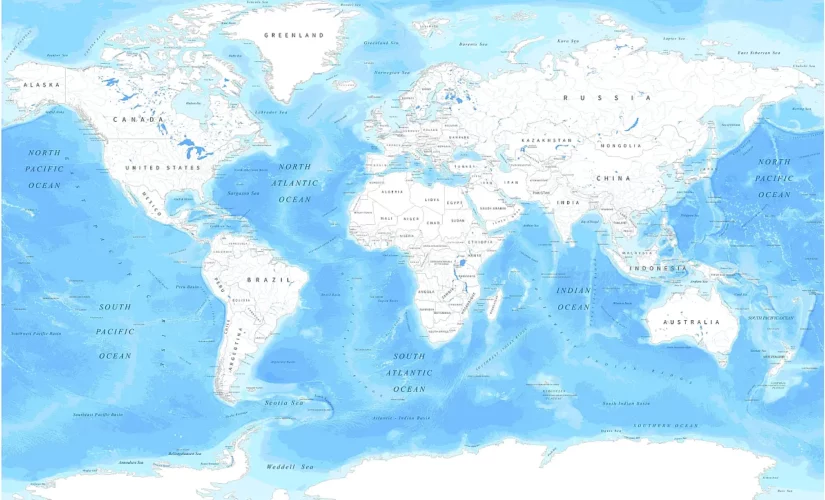 World Shipping Routes Map With Ports In PDF World Map Blank Oceans Map Of The World
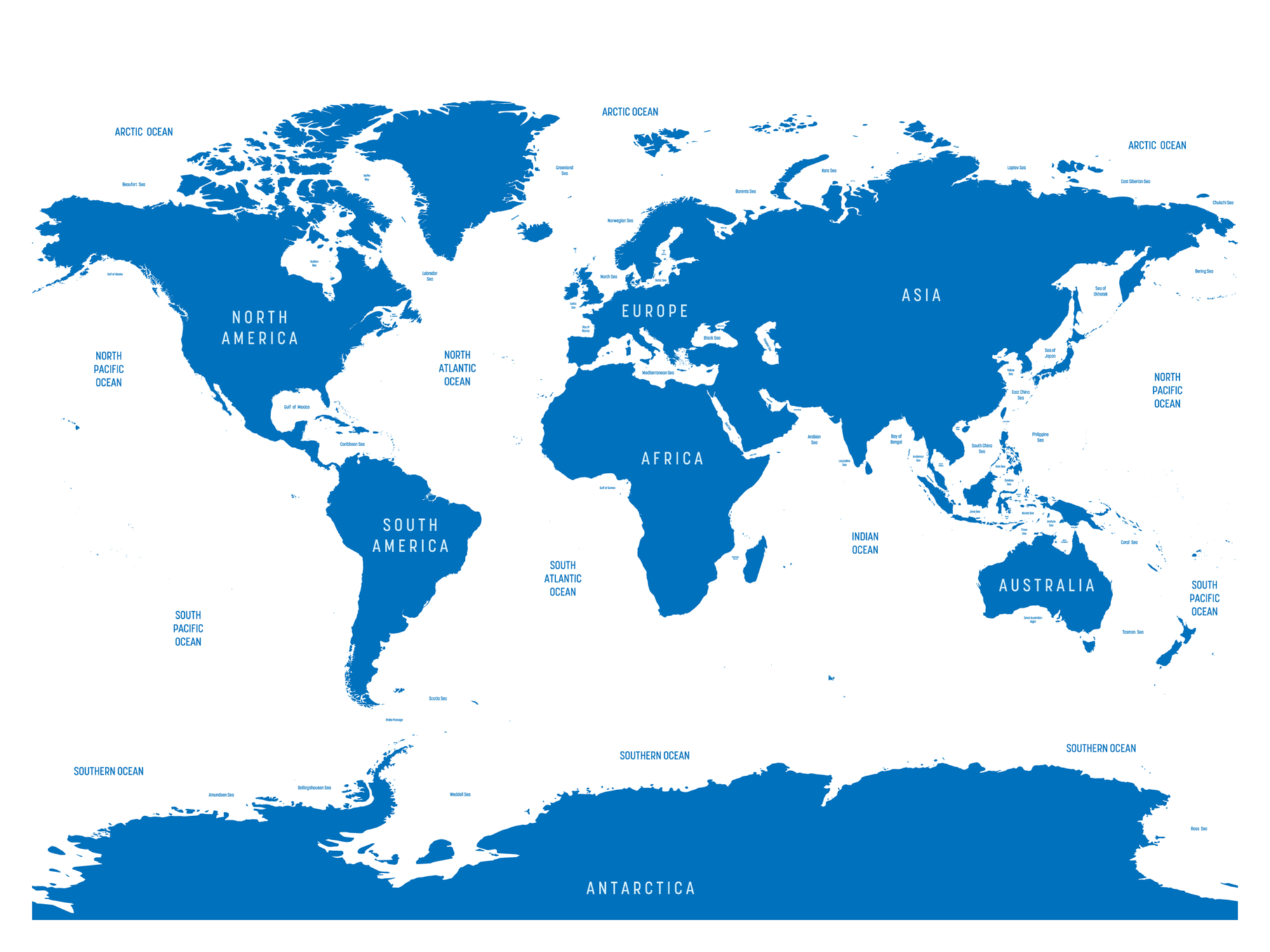 World Map Oceans And Seas Oceans Major Seas And Lakes Of The World World Ocean Sea Map
 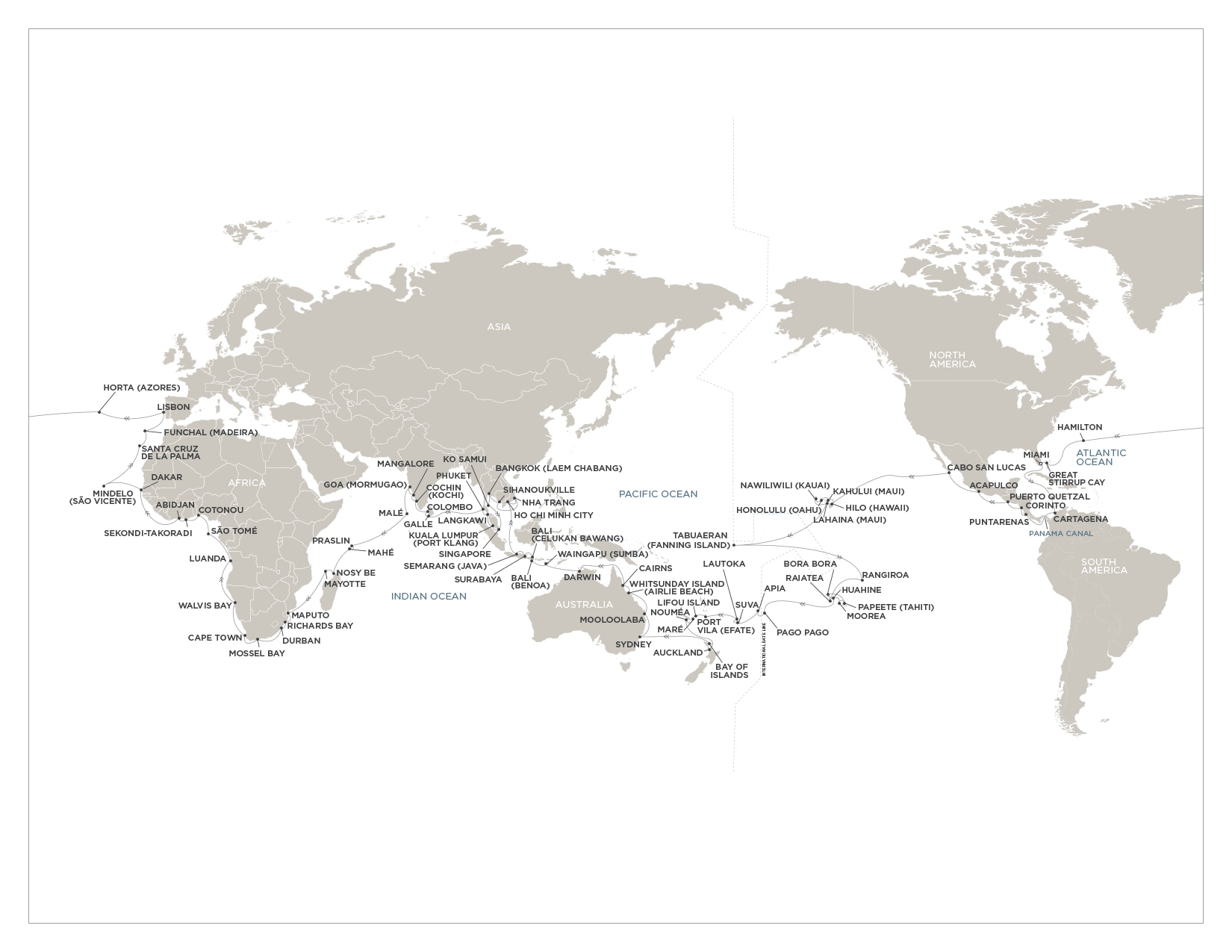 World Cruise Sense Of Adventure Regent Seven Seas Cruises World Cruise Map Image
 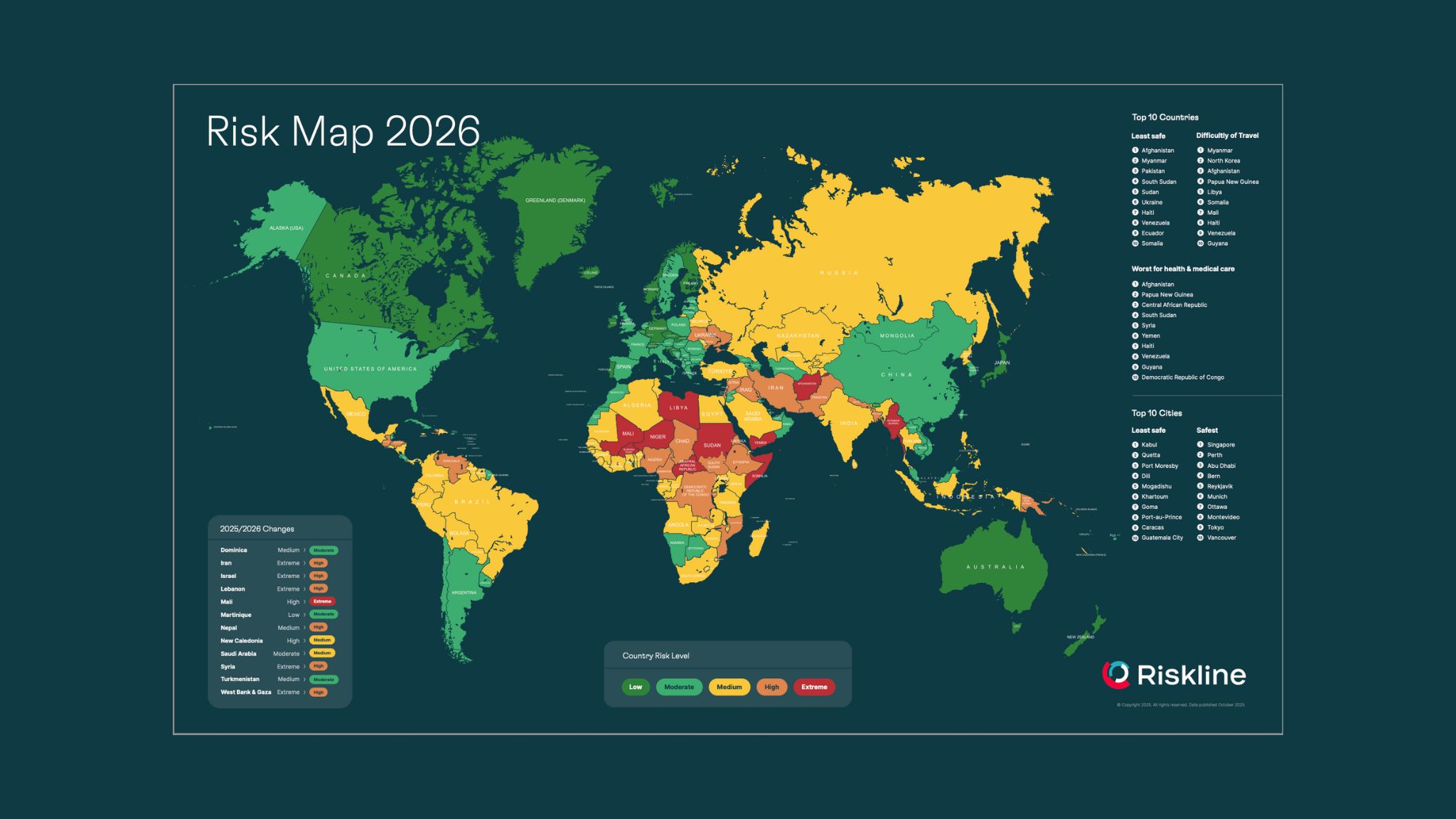 Risk Map Global Travel Risks And Safety Trends Travel Outlook Is Risklines Monthly Update Key Travel Trends Emerging Risks And Important Events That May Impact Global Mobility. From Political Instability And Natural Disasters To
  Seabed Project Races To Map Ocean And Sea Floors MySailing Ocean And Seabed Mapping Credit Facebook The Seabed Project
 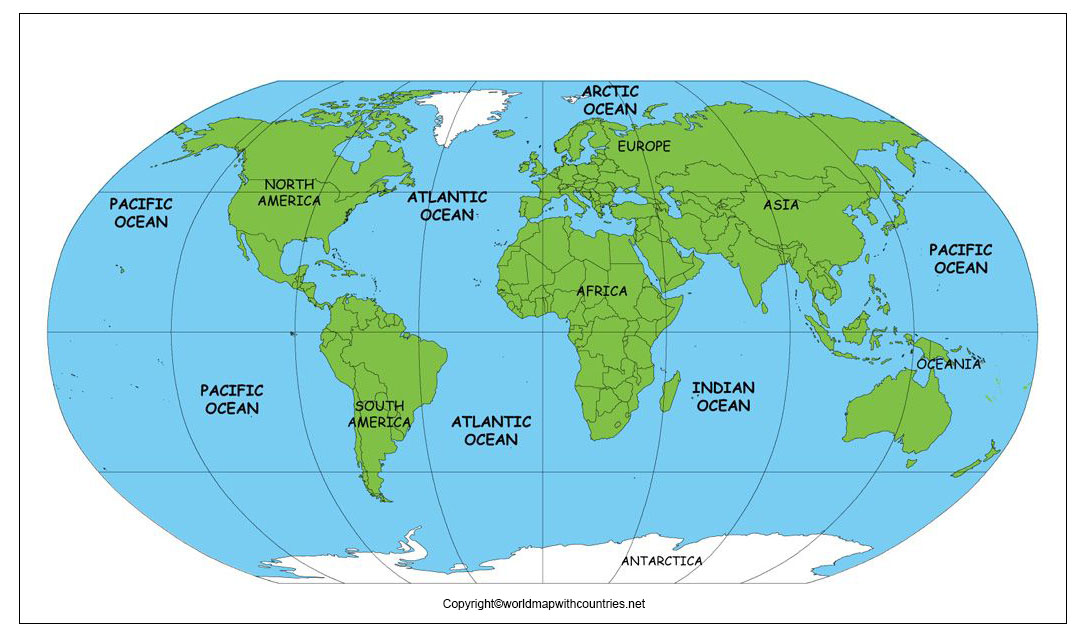 Printable World Map With Oceans Names World Map With Countries Printable Map Of World With Ocean
 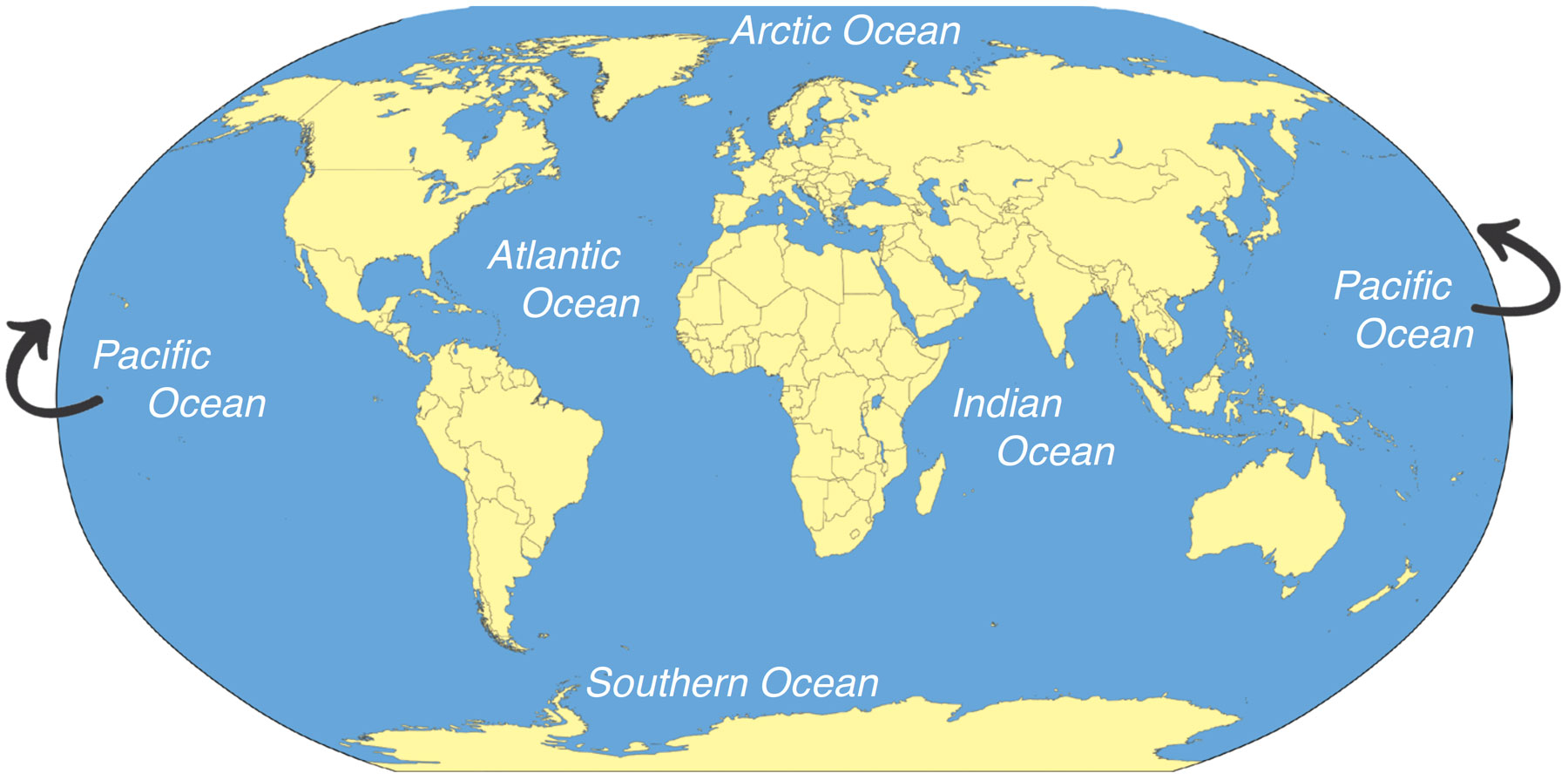 Social Trends Ocean Map Of Oceans
 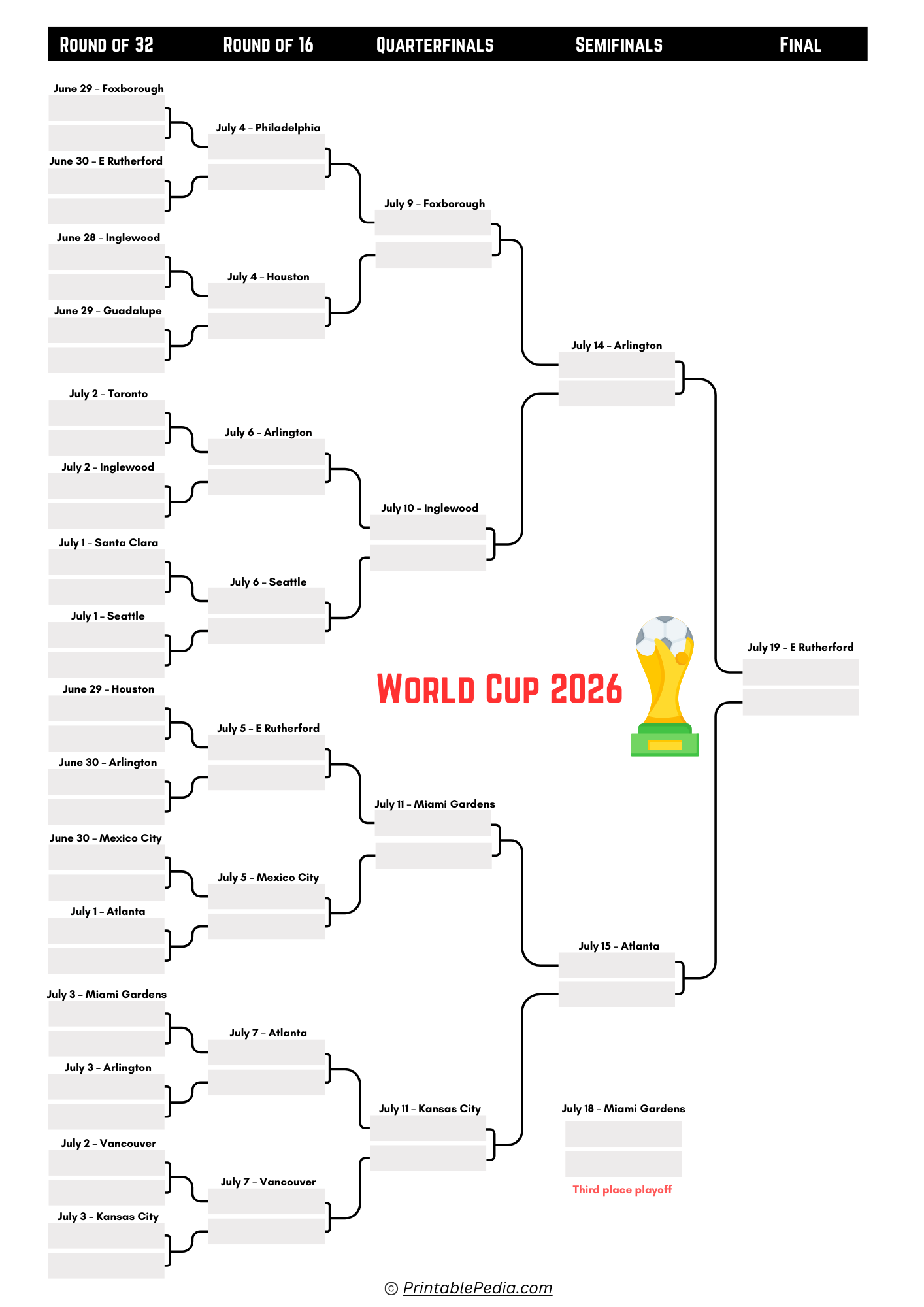 World Cup Schedule Locations Map Printable FIFA World Cup Bracket